Concept
Trade-offs in Sustainable Materials
Why there is no perfect material and how to navigate the compromises
6 min readUpdated April 2026
Save guideThere is no perfect material
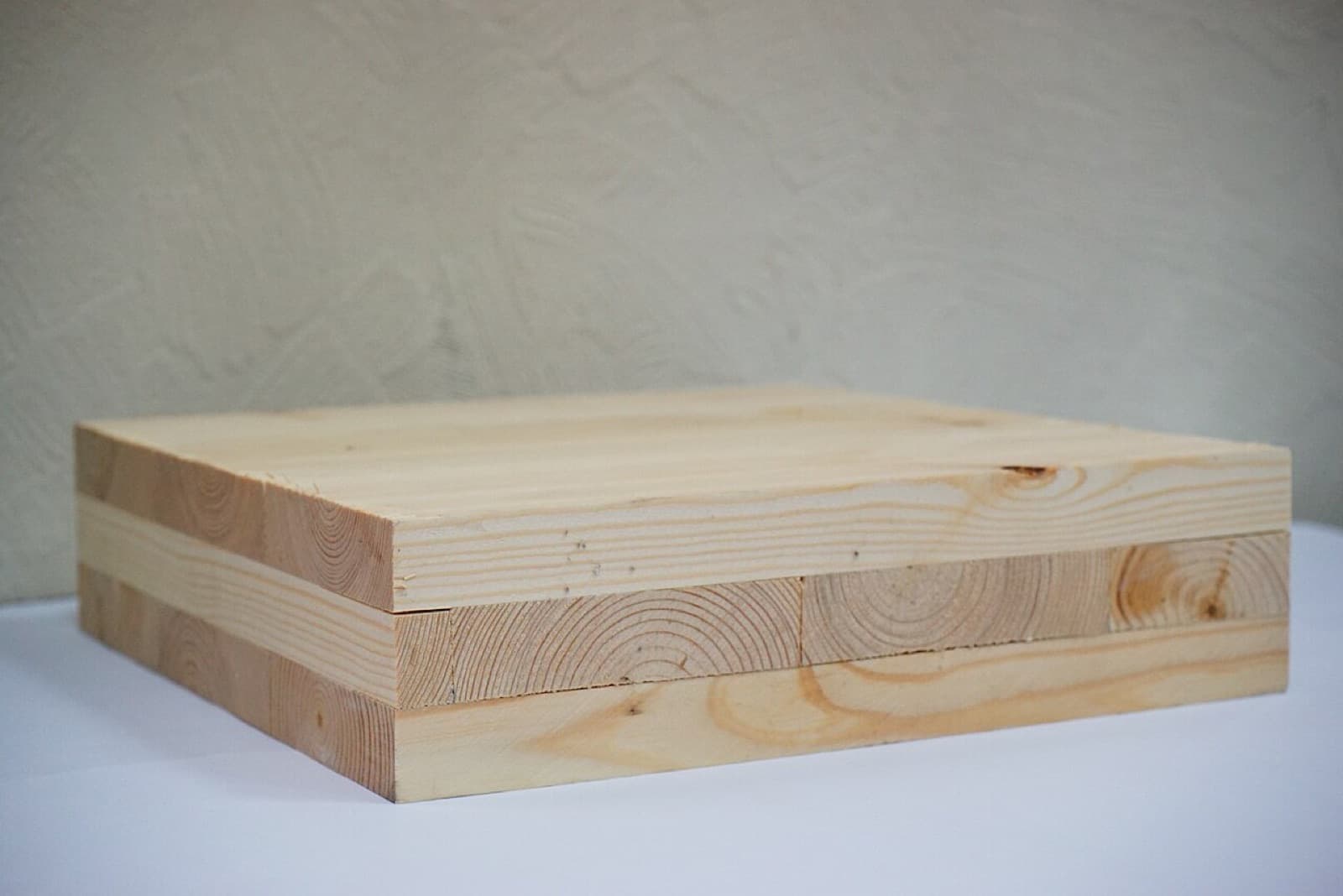
Every sustainable material involves trade-offs. Timber sequesters carbon but requires careful fire engineering. Recycled aggregate reduces virgin extraction but may have variable grading. Hempcrete has very low embodied carbon but is not structural. Natural insulation breathes but needs more thickness.
The challenge is not finding a material with no downsides. It is understanding the trade-offs clearly enough to make a justified decision for the specific project, application, and priorities at hand.
This guide maps the most common trade-offs in sustainable material selection and offers a framework for navigating them.
Carbon vs cost
The most frequent tension in sustainable procurement is between embodied carbon and material cost. Lower-carbon alternatives often carry a price premium - sometimes modest, sometimes significant.
GGBS cement replacement is a notable exception: it typically reduces both carbon and cost compared to pure Portland cement. But for many product categories, lower carbon means higher upfront material spend.
The question is not whether the premium exists, but whether it is justified for the project. If the client has committed to LETI or RIBA 2030 carbon targets, the premium is a requirement, not an option. If there is no carbon target, the premium needs to be weighed against other priorities.
Consider whole-life cost, not just upfront
Lower-carbon materials may have higher purchase cost but lower maintenance, replacement, or disposal costs.
Quantify the carbon savings
Use EPD data to calculate the actual carbon difference. A 5% cost increase for a 40% carbon reduction may be worthwhile.
Check for certifications that bridge the gap
BREEAM credits and planning incentives can offset cost differences through higher building ratings.
Thermal performance vs sustainability attributes
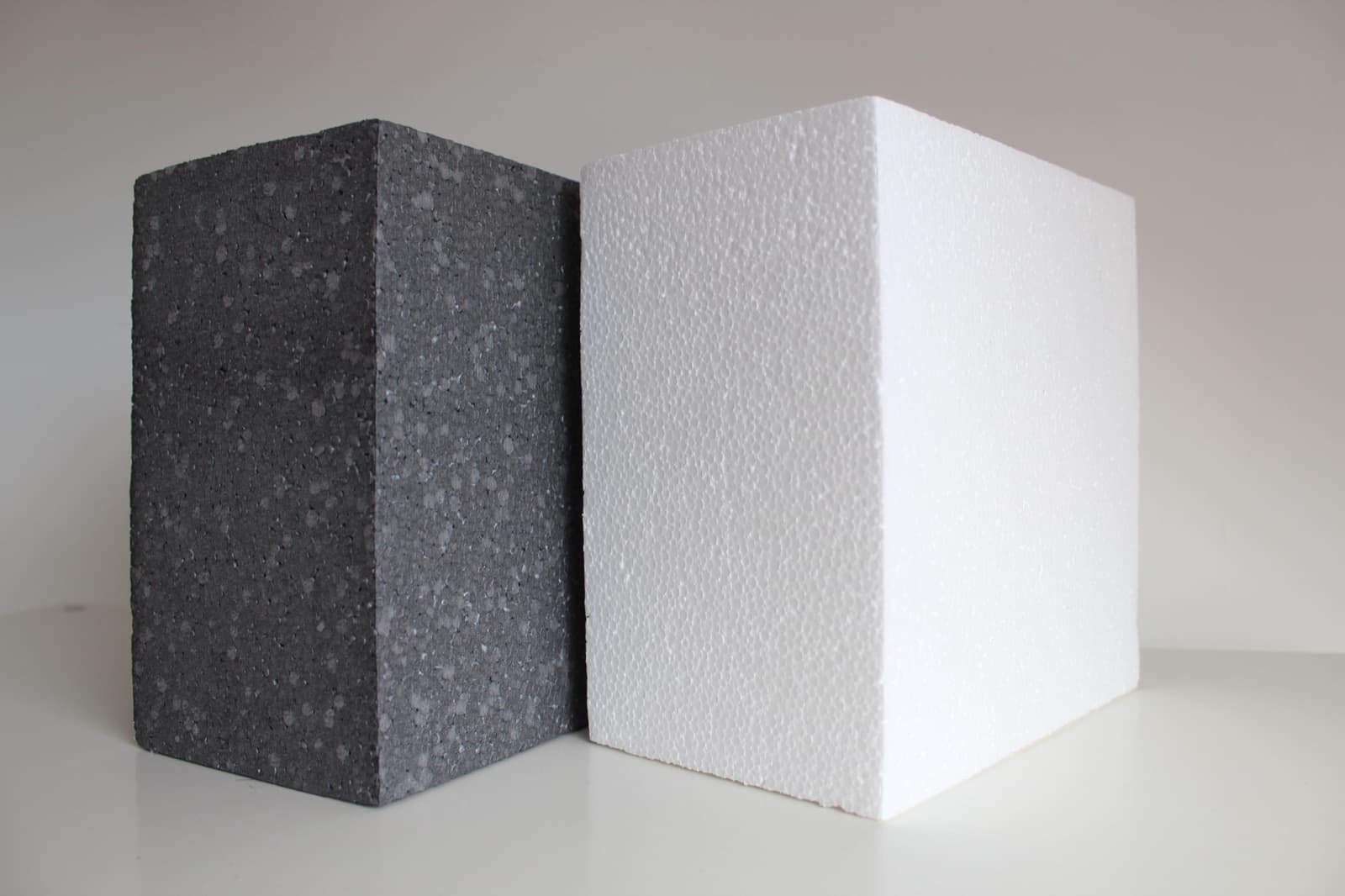
Some of the lowest-carbon insulation materials (wood fibre, cellulose, hemp) have higher thermal conductivity than synthetic alternatives (PIR, phenolic foam). This means they need more thickness to achieve the same U-value.
In new build, this is often manageable - wall build-ups can be designed around the chosen insulation. In retrofit, where cavity depth is fixed or external dimensions are constrained, there may genuinely not be enough space for a thicker natural product.
The trade-off is real, but it is often overstated. A 20mm increase in wall thickness is not always a problem. The question is whether the specific build-up can accommodate it within the project's spatial and planning constraints.
Note. Some natural insulation products offer performance benefits beyond thermal resistance - hygroscopic buffering, acoustic performance, and summer overheating reduction. These do not appear in a simple U-value comparison but may add value to the project.
Durability vs recyclability
A highly durable product that lasts the life of the building avoids the carbon cost of replacement. A highly recyclable product that is easy to disassemble and recover at end of life supports circular economy principles. These are both good outcomes, but they can pull in different directions.
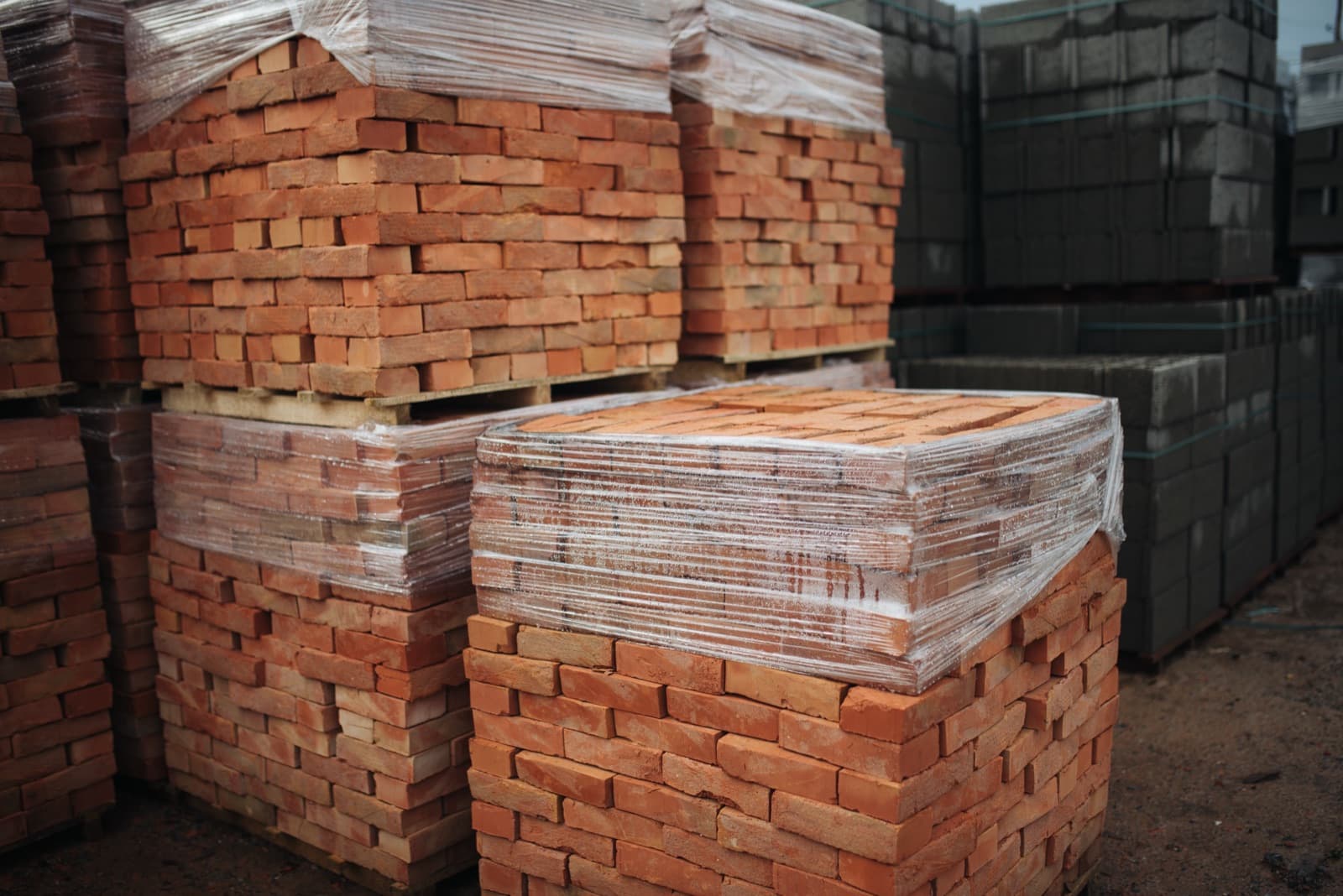
Concrete is extremely durable but difficult to recycle into high-value applications (most recycled concrete becomes aggregate). Timber can be reused or recycled relatively easily but is vulnerable to degradation if not protected. Steel is both durable and highly recyclable, which is one reason it scores well in lifecycle assessments despite high production-stage carbon.
The right balance depends on the application and the building's expected life. For a building designed for 100+ years, durability may matter more than recyclability. For a temporary structure or a fit-out expected to change in 10 years, design for disassembly and material recovery makes more sense.
Availability vs ambition
The most sustainable material on paper is useless if it cannot be delivered on programme, in the required quantity, at a consistent quality.
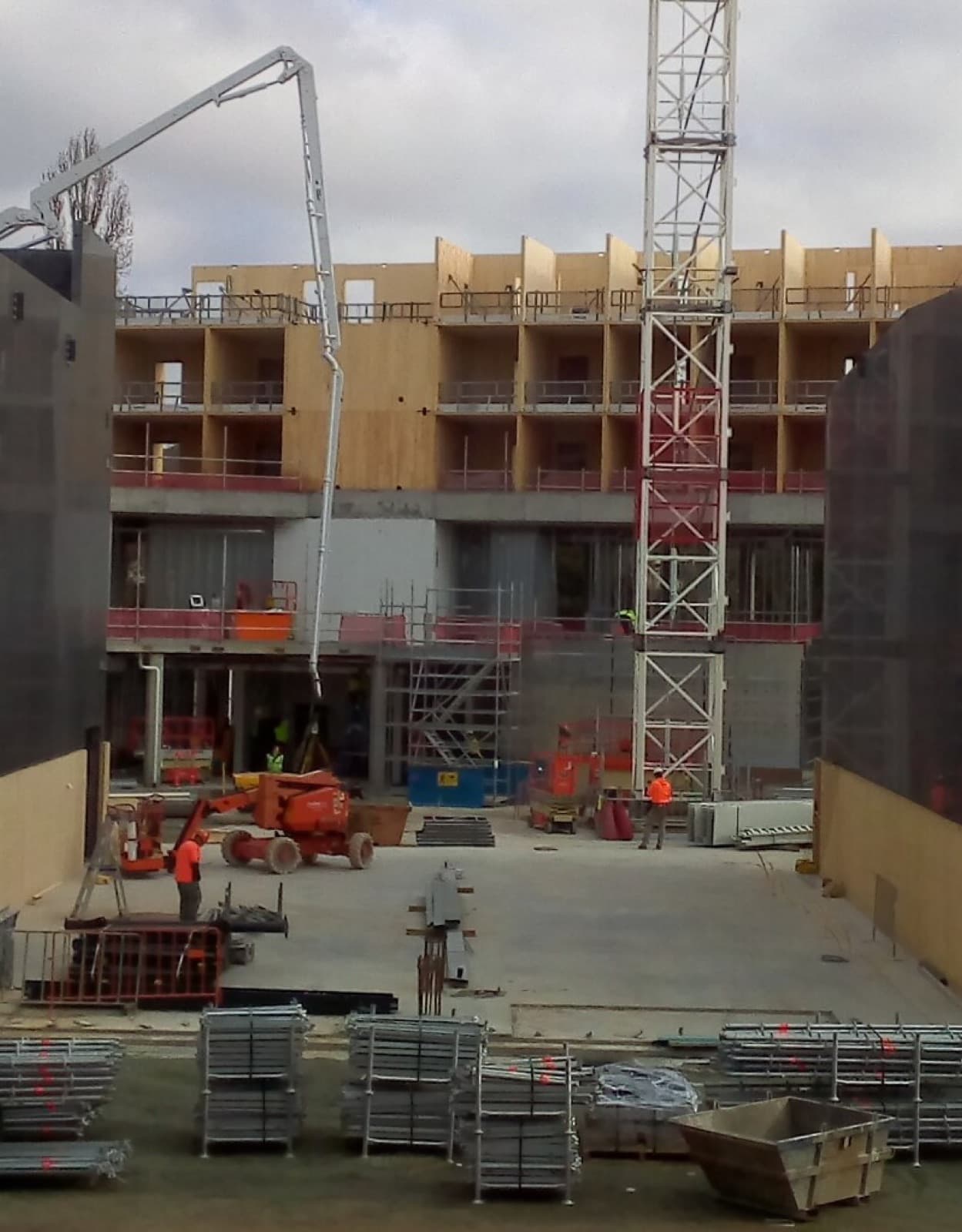
Some lower-carbon materials have limited supply chains. Hempcrete, straw bale, and cross-laminated timber (CLT) are well-established technically but may have fewer suppliers, longer lead times, or less standardised product ranges than conventional alternatives.
The trade-off is between material ambition and procurement certainty. Specifying a novel material without a confirmed supply chain is a programme risk. But defaulting to conventional materials because they are familiar misses the opportunity to improve.
| Topic | Detail |
|---|---|
| Engage suppliers early | Confirm availability, lead times, and minimum order quantities before specifying |
| Have a fallback | If the first-choice material is unavailable, identify an acceptable second option and include it in the specification |
| Build the market | Every project that specifies a lower-carbon material strengthens the supply chain for the next project. Early adoption has a cumulative effect. |
Single-attribute thinking vs the whole picture
The most common mistake in sustainable material selection is optimising for a single attribute - usually embodied carbon - while ignoring everything else.
A material with the lowest A1–A3 carbon is not the best choice if it fails the fire test, will not last 30 years, requires importing from another continent, or costs three times the budget. Sustainability is one dimension of a multi-dimensional decision.
| Topic | Detail |
|---|---|
| Carbon is important but not sufficient | Durability, fire safety, moisture performance, cost, and availability all matter |
| Certifications are signals, not guarantees | A product with many certifications is not automatically better than one with fewer if the certifications are not relevant to your application |
| Natural is not always lower impact | Some natural materials have high processing energy or poor durability. Check the EPD, not just the marketing. |
| Local is not always better | A locally manufactured product from imported raw materials may have higher total transport carbon than a finished product shipped by sea from Europe |
A framework for making trade-off decisions
When faced with competing priorities, a structured approach prevents both analysis paralysis and impulsive choices.
| Topic | Detail |
|---|---|
| Define the non-negotiables first | Fire performance, structural capacity, regulatory compliance. These eliminate options rather than ranking them. |
| Identify the project's sustainability priorities | Is the client targeting embodied carbon, circular economy, local sourcing, or all three? Weight your comparison accordingly. |
| Compare at the functional unit | Make sure you are comparing products that deliver the same performance in the same application |
| Acknowledge the trade-offs explicitly | Document why you chose one product over another, including what you traded away. This is valuable for BREEAM evidence, client reporting, and future project learning. |
| Use Matera's compare table to see multiple dimensions side by side | Carbon, certifications, sourcing, and cost in one view, with data quality indicators so you know how much confidence to place in each figure |
Tip. The best material decision is not the one with the lowest carbon number. It is the one you can justify across all relevant criteria, with evidence you can trace back to source.
Useful links
- EPD InternationalLargest public EPD registry. Useful for benchmarking before commissioning your own.
- BRE Global EPDsUK-based EPD programme operator widely used for construction products.
- IBUInstitut Bauen und Umwelt - German programme operator widely accepted across Europe.
- FSC chain of custodyRequirements, fees, and the route to finding an accredited certifier.
- Cradle to CradleFull C2C standard covering material health, reuse, renewable energy, water, and social fairness.