4F
414 Fencing & Timber
Briggens Park, Hertfordshire
Stanstead Abbotts supplier of fencing, timber, decking, sleepers, aggregates, wire mesh, fixings and timber treatments.
Timber & WoodLandscaping & Outdoor+4
No materials listed yet
Compare recycled aggregates, lower-carbon concrete, binders, cements, sand, gravel, and lime concrete from UK suppliers with verified product data.
Concrete and aggregate impacts are shaped by binder content, strength and durability requirements, recycled constituents, batching, transport, and the volume used. A lower headline carbon value is only meaningful when products deliver an equivalent function and use a comparable declared unit and life-cycle boundary.
Briggens Park, Hertfordshire
Stanstead Abbotts supplier of fencing, timber, decking, sleepers, aggregates, wire mesh, fixings and timber treatments.
Shangri-La Farm, HertfordshireOpening hours
Stevenage aggregates yard supplying sand, stone, cement, paving, timber sleepers and landscaping materials for trade and DIY projects.
Etteridge Farm Depot, Hertfordshire
Broxbourne supplier of recycled and primary aggregates, sand, ballast and screened soils for trade and private customers.
Birchall Lane
Hertfordshire supplier of secondary recycled aggregate building materials, including crushed concrete and Type 1/Type 2 sub-base materials.
Mayrose House
Aggregate supplier covering Essex and Hertfordshire with sand, ballast, gravel, Type 1 MOT, limestone, granite and crushed concrete.
Unit 6Opening hours
Builders' merchant in Bishop's Stortford supplying building materials, timber, drainage, roofing and landscaping products, with delivery within 15 miles.
Winfields Yard
Regional paving supplier offering natural stone and manufactured stone paving products.
Home FarmOpening hours
Buntingford yard supplying aggregates, cements, bulk bags and loose loads for collection and local building projects.
Hertfordshire
Hertfordshire supplier of primary and secondary aggregates, sub-base materials, capping layer, sand, gravels and soils.
Define strength, exposure, workability, finish, curing, durability, and structural requirements before comparing binders or recycled content.
Check declared unit, strength class, product scope, life-cycle modules, data age, verification, and whether transport or site impacts are included.
Batching distance, delivery constraints, minimum loads, return concrete, aggregate moisture, programme, and quality control can materially affect the project outcome.
Common strategies include reducing clinker content, using suitable supplementary materials, optimising mix design, avoiding unnecessary strength, incorporating recycled aggregate where appropriate, and sourcing efficiently. Performance and verified product data remain essential.
Only when the products provide a comparable function and the figures use compatible scopes, declared units, strength or performance assumptions, and verification. A smaller number is not automatically a better project choice.
No. Suitability depends on grading, contamination, water absorption, strength, standards, exposure, intended use, and project specifications. Confirm the evidence and requirements for the particular application.
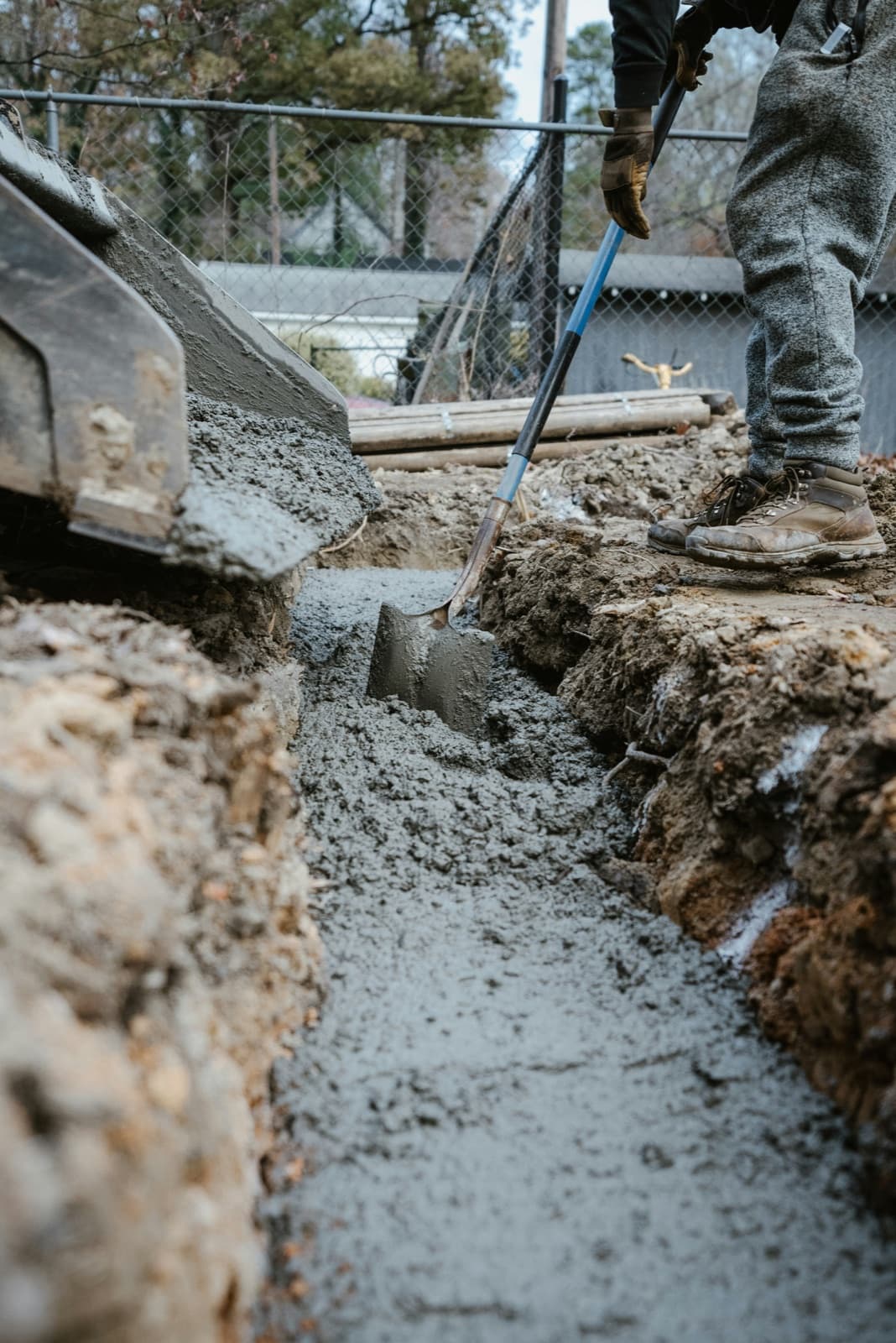
Reducing the carbon footprint of construction's most used material
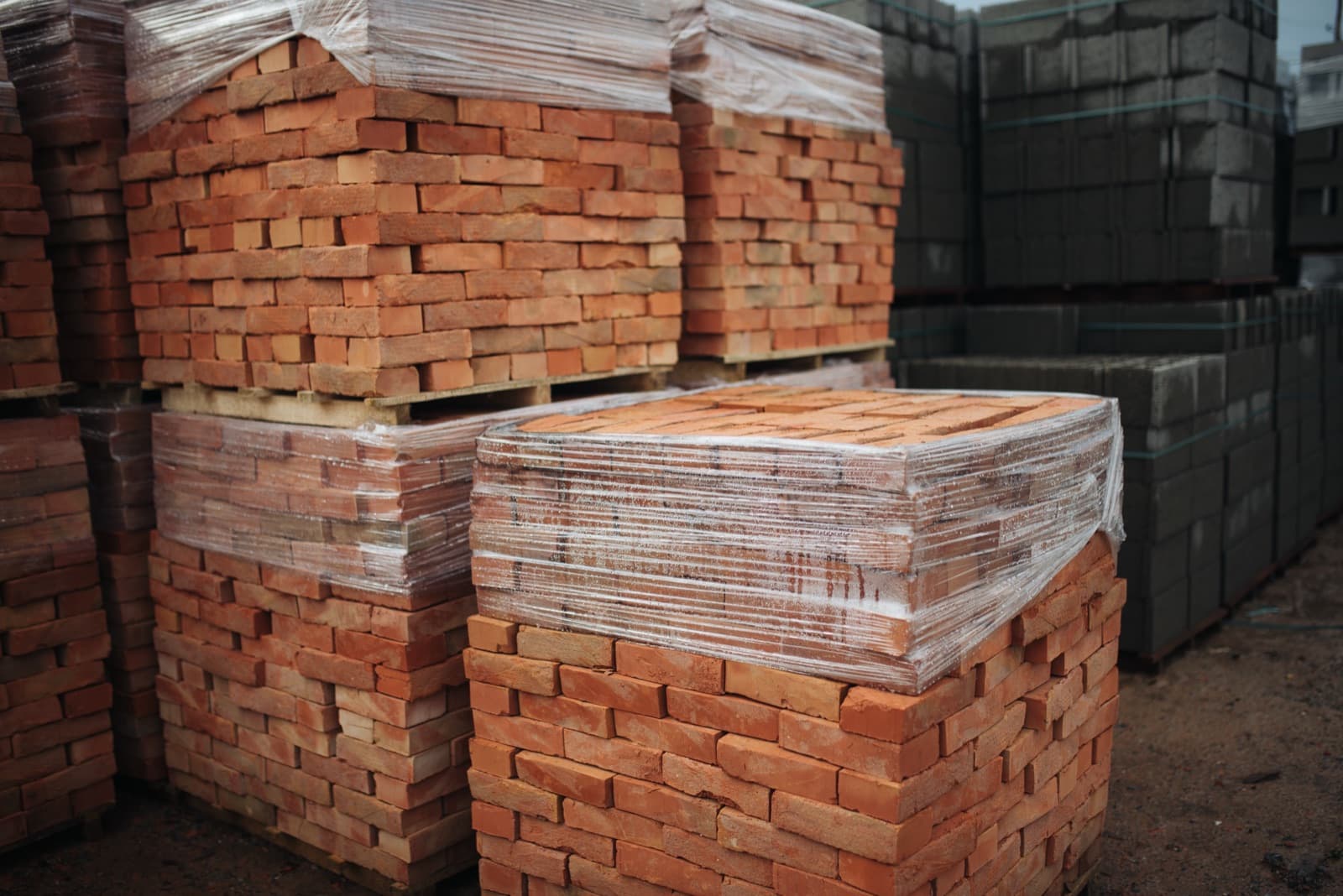
What it is, why it matters, and how to reduce it through better material choices
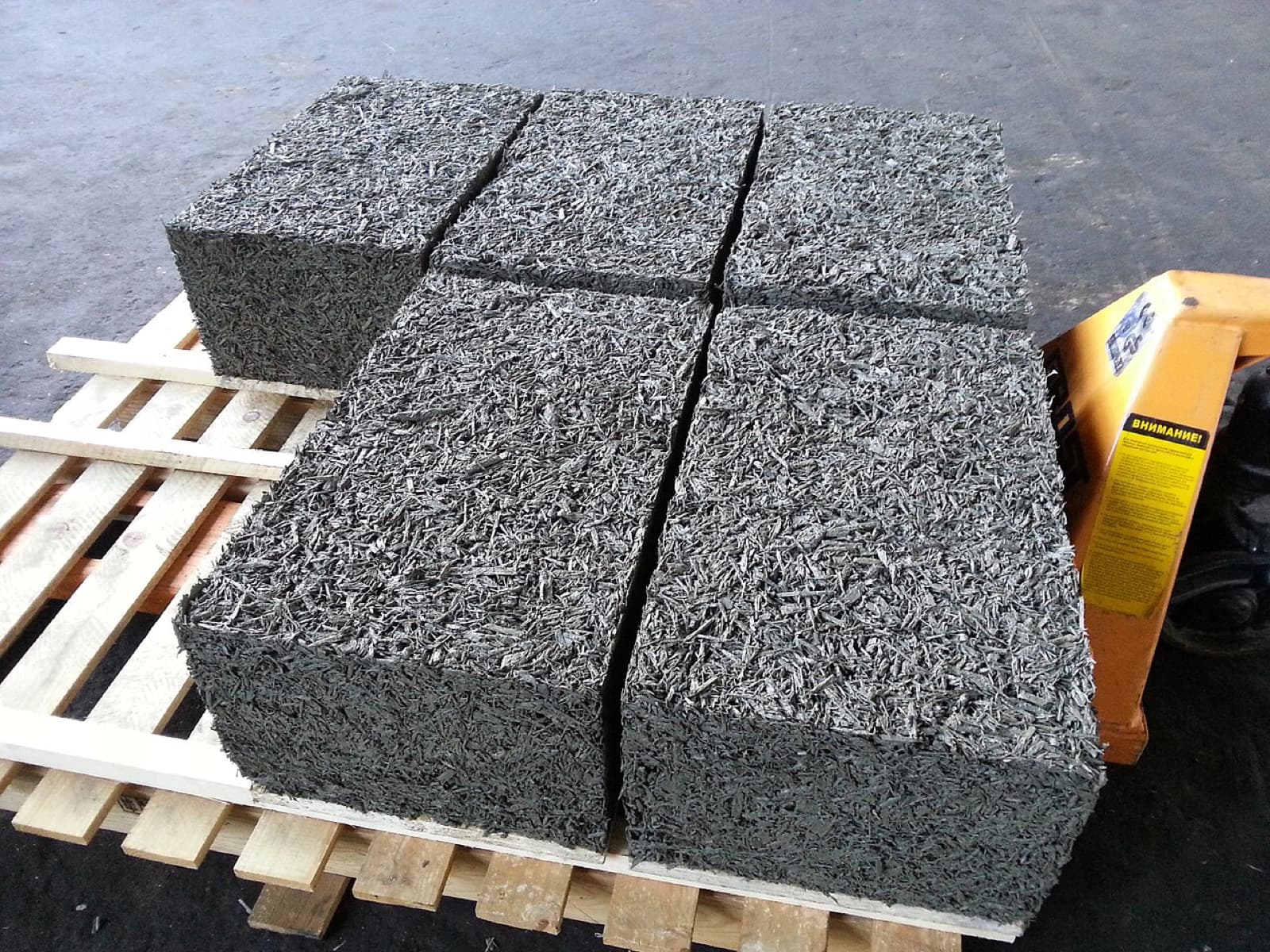
A practical walkthrough of what the numbers mean