Masonry & Stone · Clay bricks
Reclaimed roof tiles
Architectural Salvage Source·Willows Farm
In Stock
Request quote
Paint, tiles, timber offcuts, bricks, packaging, flooring, and sealants - reuse, donate, store safely, or dispose properly
5 min readUpdated July 2026
Save guideEvery home project creates leftovers: half tins of paint, spare tiles, timber offcuts, opened sealants, packaging, unused flooring, and bricks. Planning for them is part of making the project lower waste.
The trick is to decide what will genuinely help later and what will quietly become clutter. A small labelled tin of wall paint is useful. Six mystery tins with no room name, finish, or date are just a future disposal problem.
Leftover material triage
Label it
Room, product, colour, batch, date
Keep spares
Only what helps future repairs
Share early
Donate while it is clean and usable
Store safely
Dry, sealed, wrapped, out of reach
Dispose right
Use local guidance for chemicals
Sort leftovers as soon as the job is finished, while you still remember what everything is. Use three piles: keep for repairs, share while it is still useful, and dispose safely.
| Material | Keep | Share or donate | Dispose carefully |
|---|---|---|---|
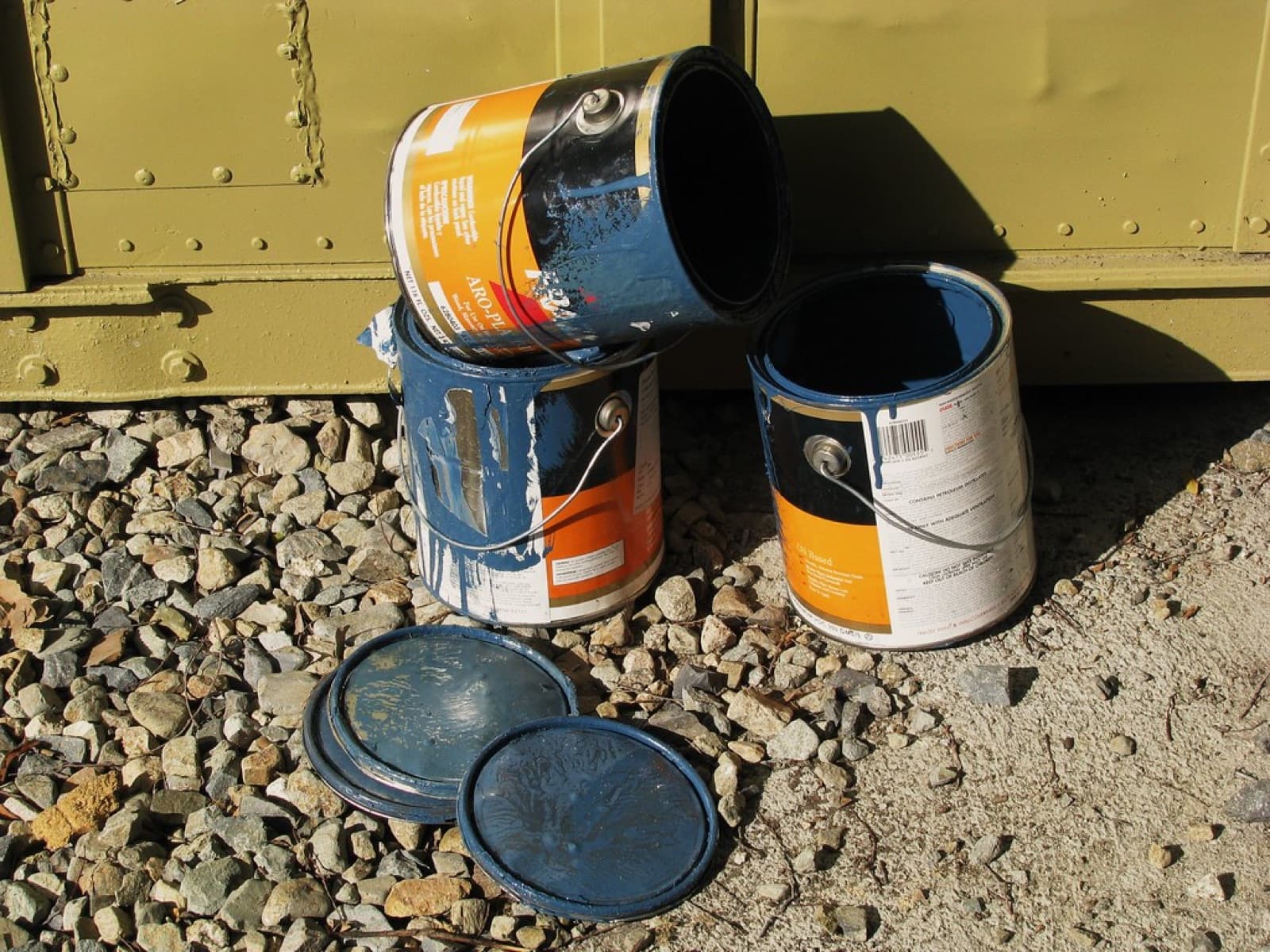
| Paint | A small labelled jar or tin for touch-ups | Unopened or usable part-full tins | Dried, contaminated, or mystery paint via local guidance |
| Tiles | 5-10 spares from the same batch | Full boxes or clean loose tiles | Broken sharp pieces safely wrapped |
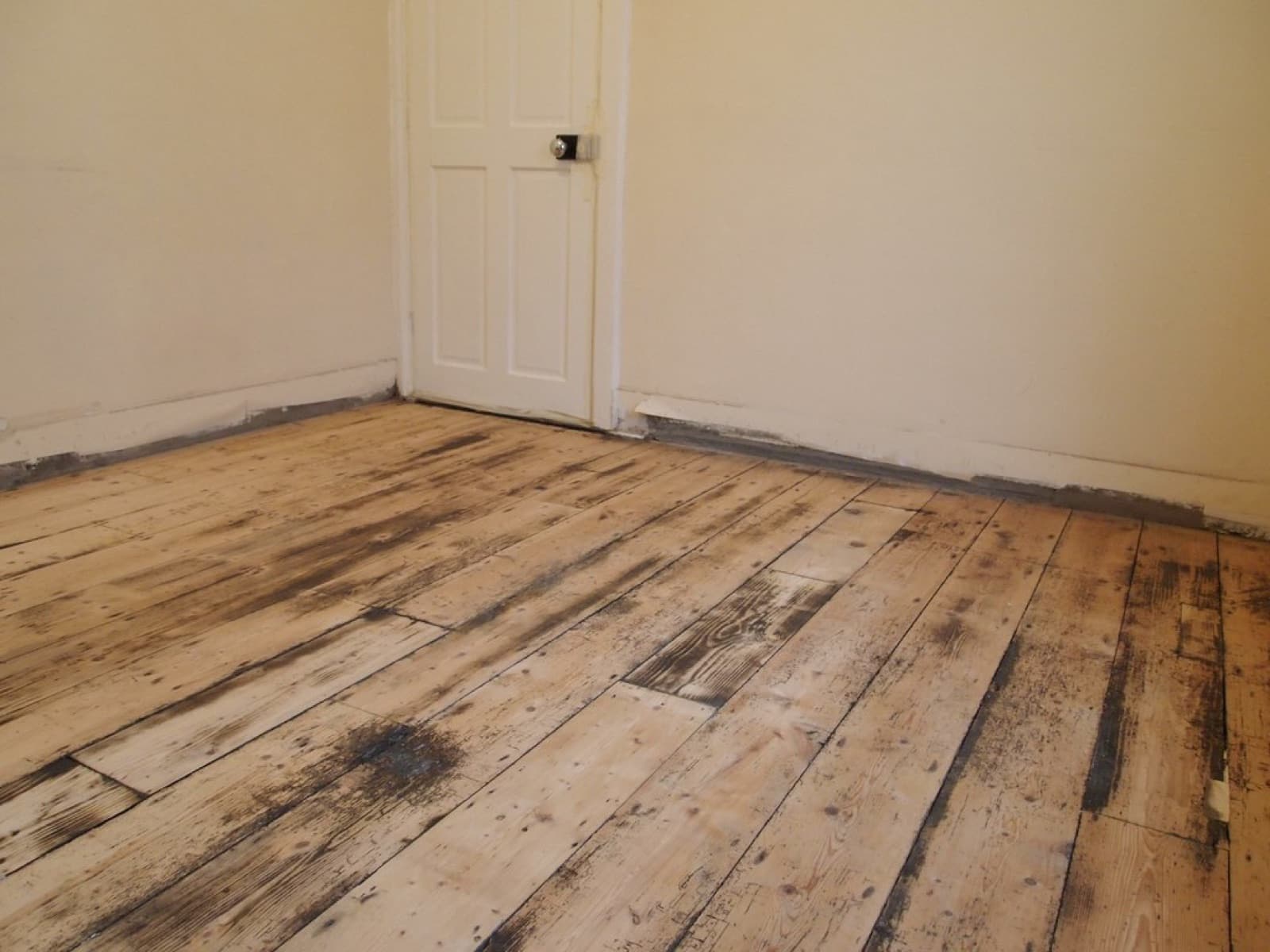
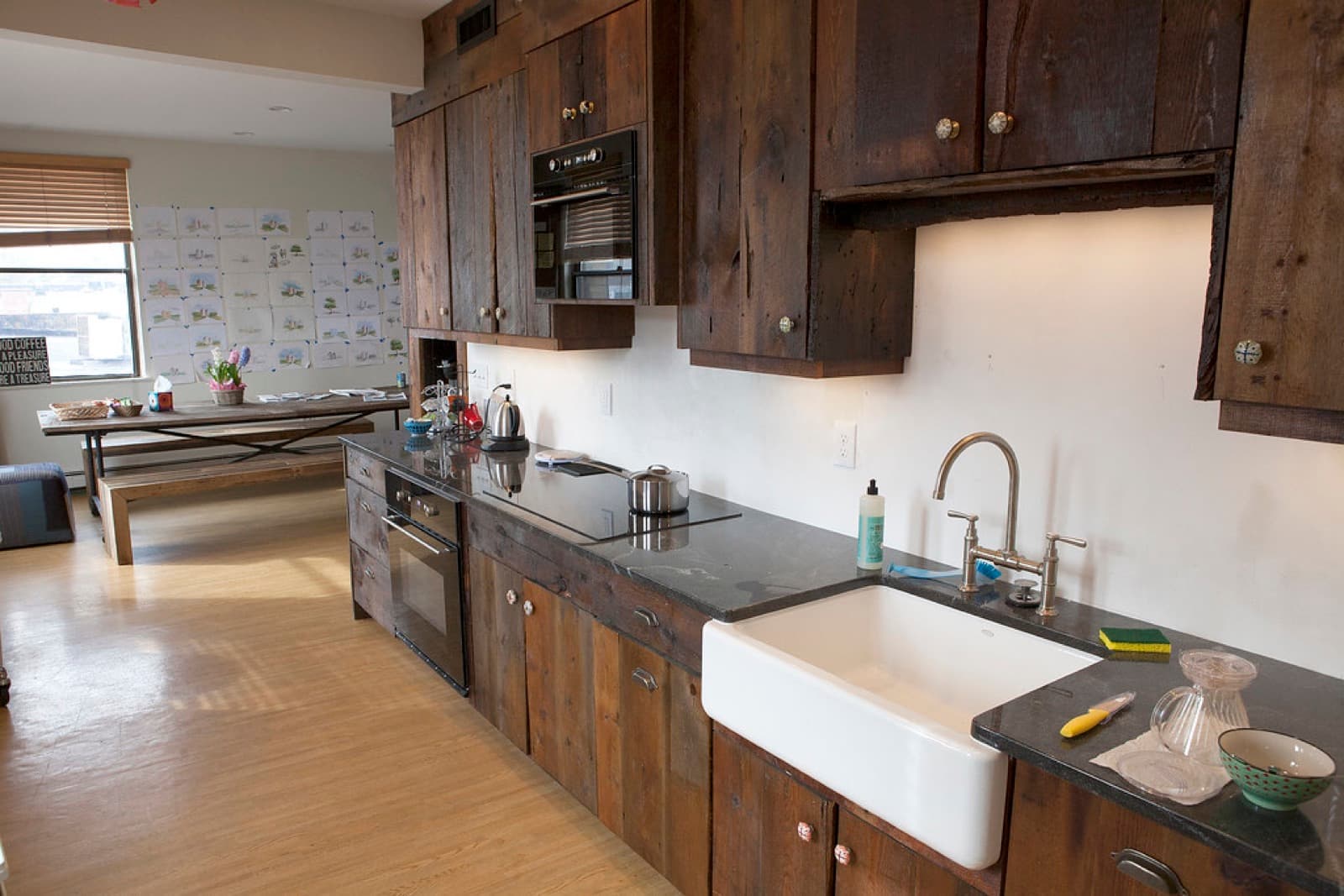
| Timber offcuts | Useful repair lengths and matching trim | Clean, de-nailed boards or larger offcuts | Rotten, contaminated, or heavily treated unknown timber |
| Bricks and pavers | A few matching pieces for future repairs | Clean whole bricks, pavers, or stone | Crumbling, salt-heavy, or contaminated pieces |
| Flooring | Enough for small repairs from the same batch | Unopened packs or clean boards | Adhesive-covered scraps or damp-damaged boards |
| Sealants and adhesives | Only unopened or clearly in-date products | Usually only unopened tubes or tubs | Opened, cured, leaking, or out-of-date products |
| Packaging | Boxes or tubs useful for storage | Clean boxes for moving or local reuse | Foam, film, and mixed packaging by local recycling rules |
Leftovers are not all equal. Some are valuable for future repairs; others lose usefulness quickly once opened.
| Topic | Detail |
|---|---|
| Paint | Decant a small amount into a clean jar for touch-ups and label it with room, brand, colour, finish, and date. Store it away from frost and heat. |
| Tiles | Keep enough for future cracked-tile repairs. Exact colour, size, and batch can be impossible to match later. |
| Timber | Remove nails before storage, keep it dry and flat, and write the project name on useful matching trim or boards. |
| Bricks and stone | Keep a few matching pieces if they are part of a wall, path, hearth, or edging detail. |
| Flooring | Save spare boards or tiles from the same batch. This matters especially for click flooring, cork, timber, and patterned tiles. |
| Sealants and adhesives | Check the shelf life. Opened tubes often cure, split, or become unreliable before the next project. |
| Insulation | Only keep clean, dry offcuts. Damp, dusty, or compressed insulation is rarely worth storing indoors. |
Useful spares become useless if you cannot identify them. A five-minute labelling habit saves a lot of future guessing.
Some leftovers are not safe to casually store, sand, burn, pour away, or put in household bins. Always follow local council guidance for paint, solvents, adhesives, treated timber, insulation, and hazardous waste.
The best leftover strategy is to create fewer awkward leftovers in the first place.
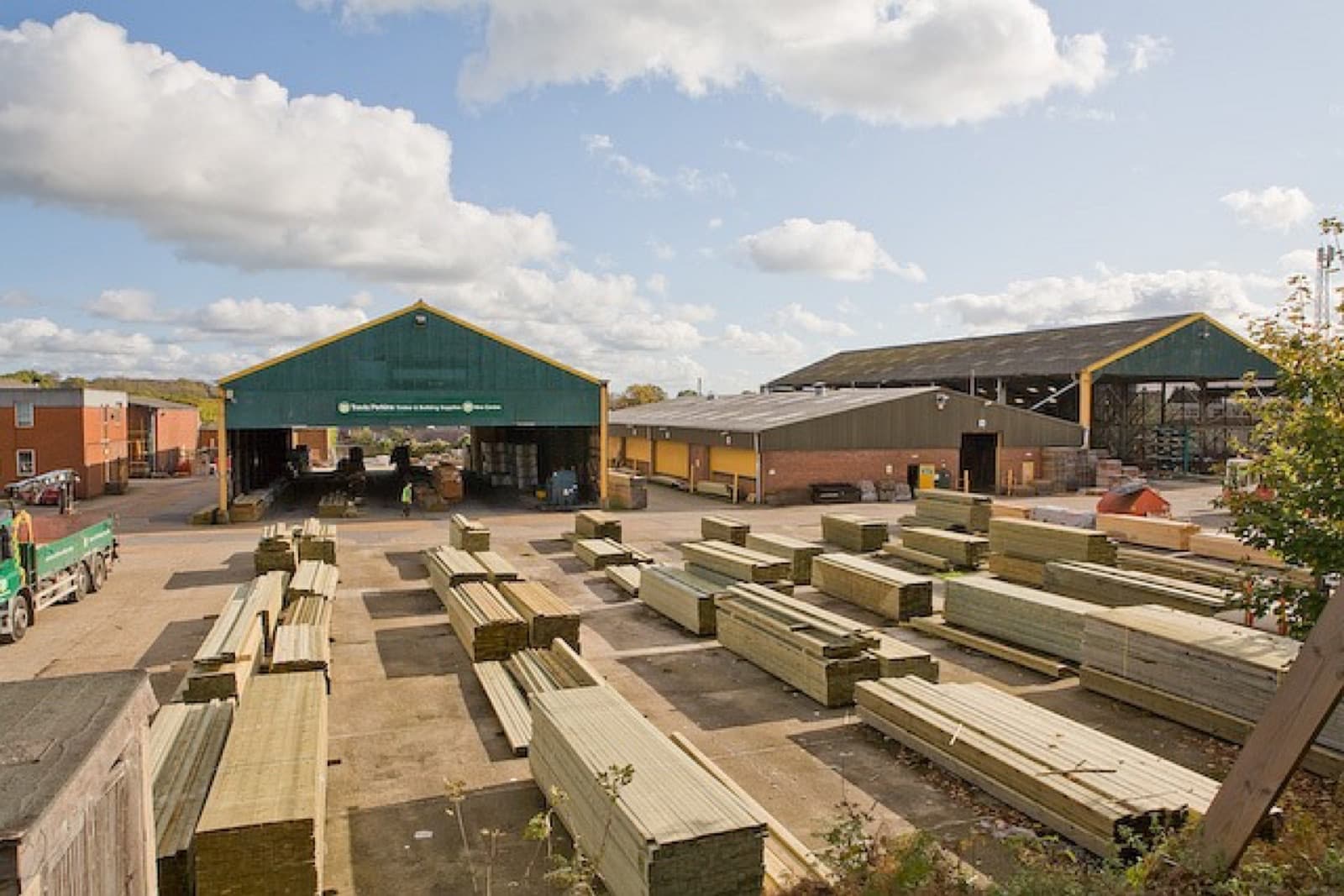
Before ordering, ask suppliers about sample sizes, realistic waste allowance, return policies for unopened packs, packaging choices, and whether they offer take-back or reuse routes for offcuts. Save products to compare pack sizes and delivery terms before buying.