The Beginner's Guide to Buying Less Stuff
Repair, refinish, repaint, reface, swap handles, recover furniture, use leftovers, and avoid over-ordering
5 min readUpdated July 2026
Save guideBuying less comes before buying better
A more sustainable product is still a product. Before shopping for an eco version, ask whether you can keep, repair, refresh, or use less of what is already there.
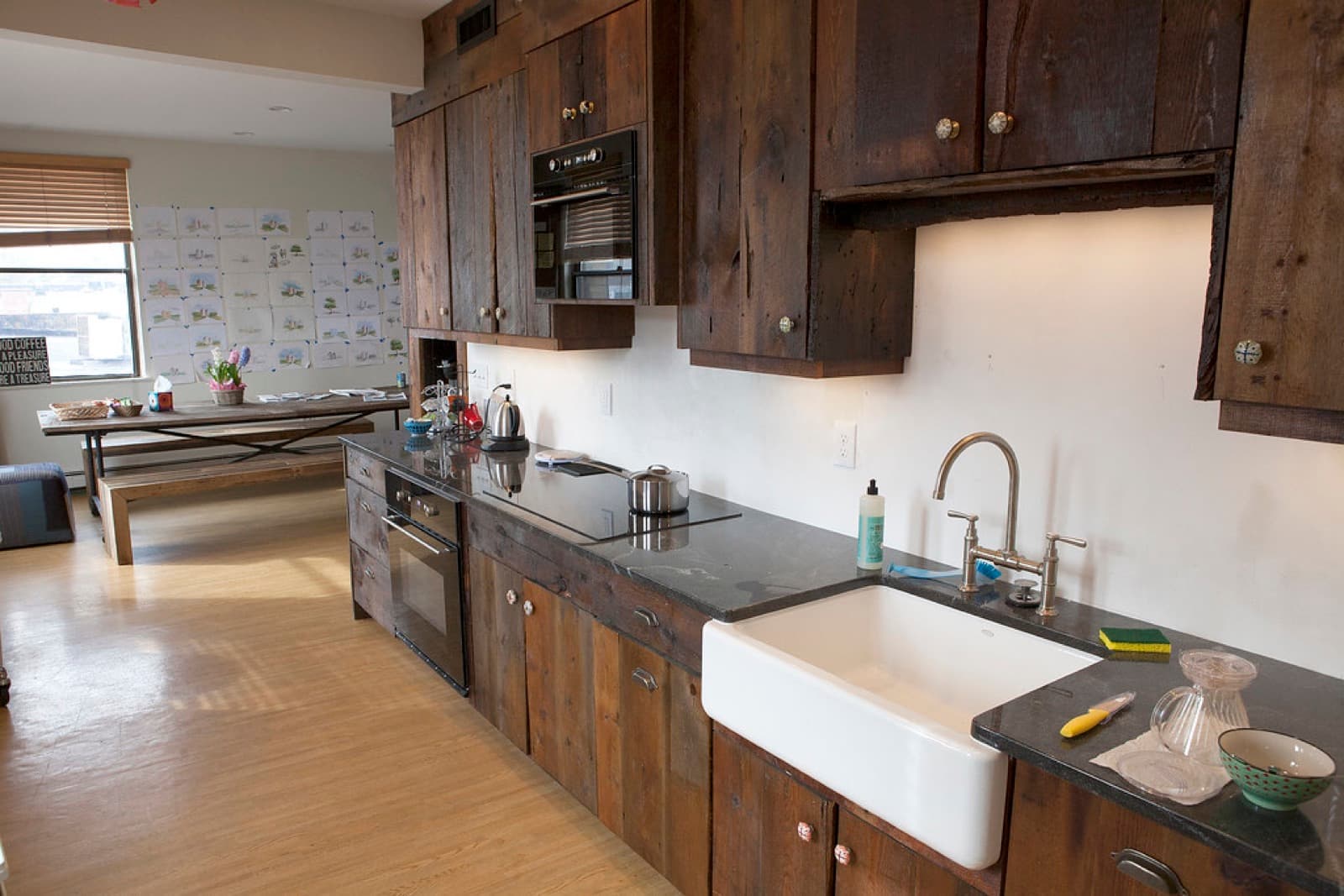
This is not about making do with a home you dislike. It is about finding the smallest change that solves the real problem. A tired kitchen might need new handles and a repaint, not a skip full of cabinet carcasses. A cold living room might need curtains and a rug before new flooring. A scratched table might need oil and patience, not replacement.
For beginners, this approach is also safer. Smaller changes cost less, create less waste, and teach you how materials behave before you take on bigger projects.
Try these before buying new
Many home projects can be improved without full replacement.
- Repair loose handles, hinges, shelves, and doors.
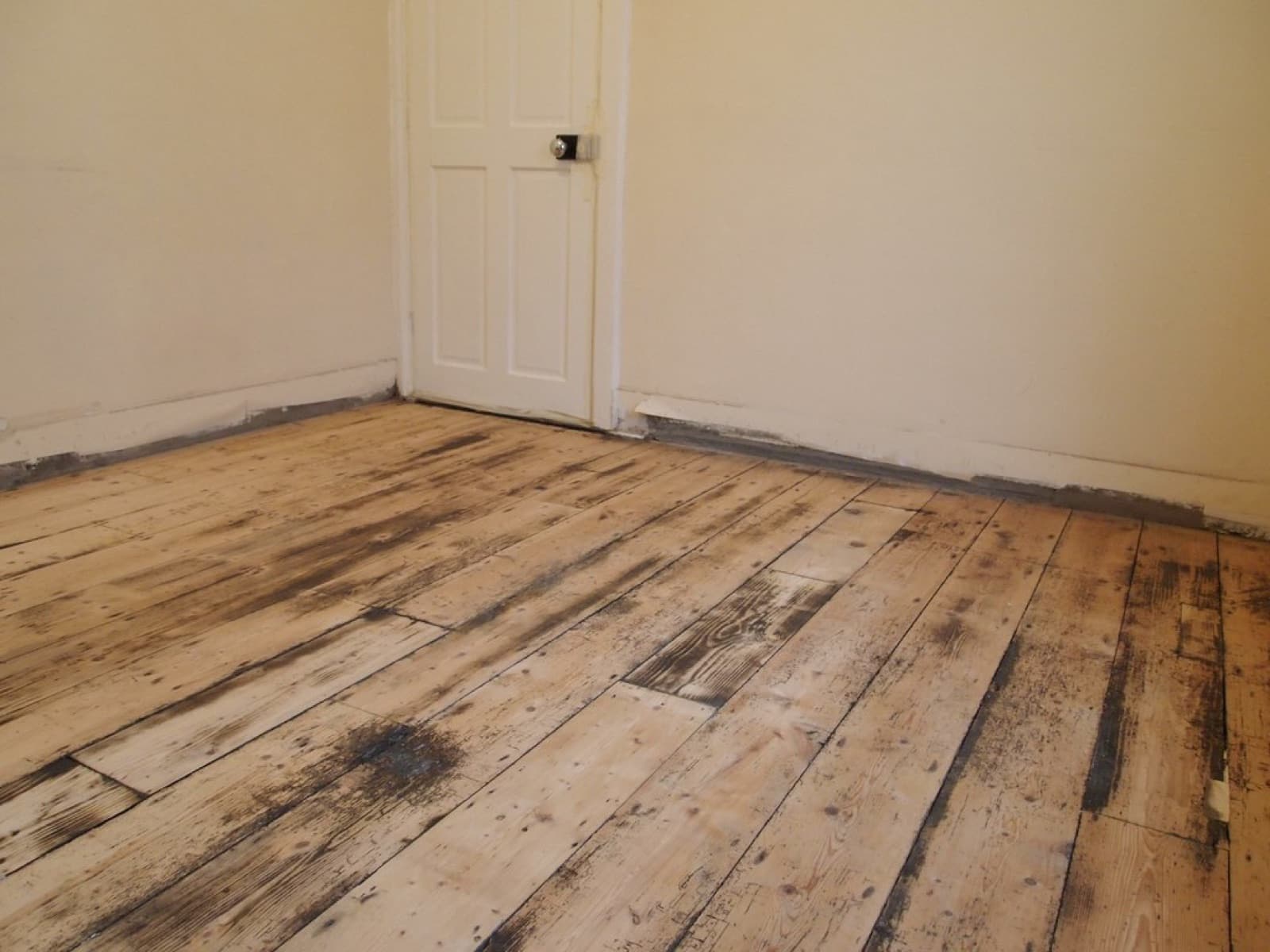
- Refinish timber with oil, wax, or low-VOC varnish.
- Repaint walls, cabinets, or furniture.
- Reface kitchen doors instead of replacing carcasses.
- Swap handles, hooks, taps, or lighting shades.
- Recover chairs, cushions, and headboards.
The buying-less decision ladder
Work down this ladder before buying a new product. Stop as soon as the problem is genuinely solved.
| Step | Ask yourself | Example |
|---|---|---|
| 1. Clean | Is it dirty, stained, dusty, or marked rather than worn out? | Deep-clean tiles, grout, rugs, curtains, or timber before replacing them |
| 2. Repair | Is one part broken while the rest still works? | Replace a hinge, latch, seal, drawer runner, or cracked tile |
| 3. Refresh | Can the surface be repainted, oiled, waxed, regrouted, or resealed? | Oil a timber worktop or repaint cabinet doors |
| 4. Reface | Can the visible layer change while the structure stays? | Keep kitchen carcasses and swap doors, handles, or worktops |
| 5. Reuse | Can second-hand or reclaimed material do the job? | Use reclaimed timber shelves or salvaged tiles for a splashback |
| 6. Buy new | Does the product need a warranty, safety rating, moisture performance, or exact match? | Buy new sealant, wet-room board, or fire-rated components |
Where this works best
Buying less is easiest when the existing material is basically sound and the problem is appearance, comfort, storage, or small damage.
| Topic | Detail |
|---|---|
| Kitchens | Repaint doors, change handles, replace a worktop, or keep freestanding furniture instead of replacing every unit. |
| Bedrooms | Use rugs, curtains, second-hand furniture, and low-VOC paint rather than fitted changes. |
| Living rooms | Refinish timber, repair loose floorboards, recover cushions, and use second-hand storage. |
| Bathrooms | Replace sealant, taps, mirrors, lights, or cabinets before assuming the whole room needs ripping out. |
| Gardens | Reuse bricks, pots, slabs, and timber before buying new landscaping products. |
Where not to stretch it
Keeping materials is not always the right answer. Some products fail because they are unsafe, damp-damaged, contaminated, or simply wrong for the room.
Stretch it
- The structure underneath is sound
- The problem is looks, comfort, or storage
- Damage is small and repairable
- A part can be swapped without touching the rest
Replace it
- Damp, mould, or rot is present
- Electrics, gas, or fire safety are involved
- Waterproofing or sealant has already failed
- Old paint might contain lead - don't sand blind
- Do not keep mouldy or rotten materials just to avoid waste.
- Do not reuse electrical, gas, or fire-safety components without competent advice.
- Do not sand unknown old paint without considering lead.
- Do not keep a leaking shower build-up because the tiles look fine.
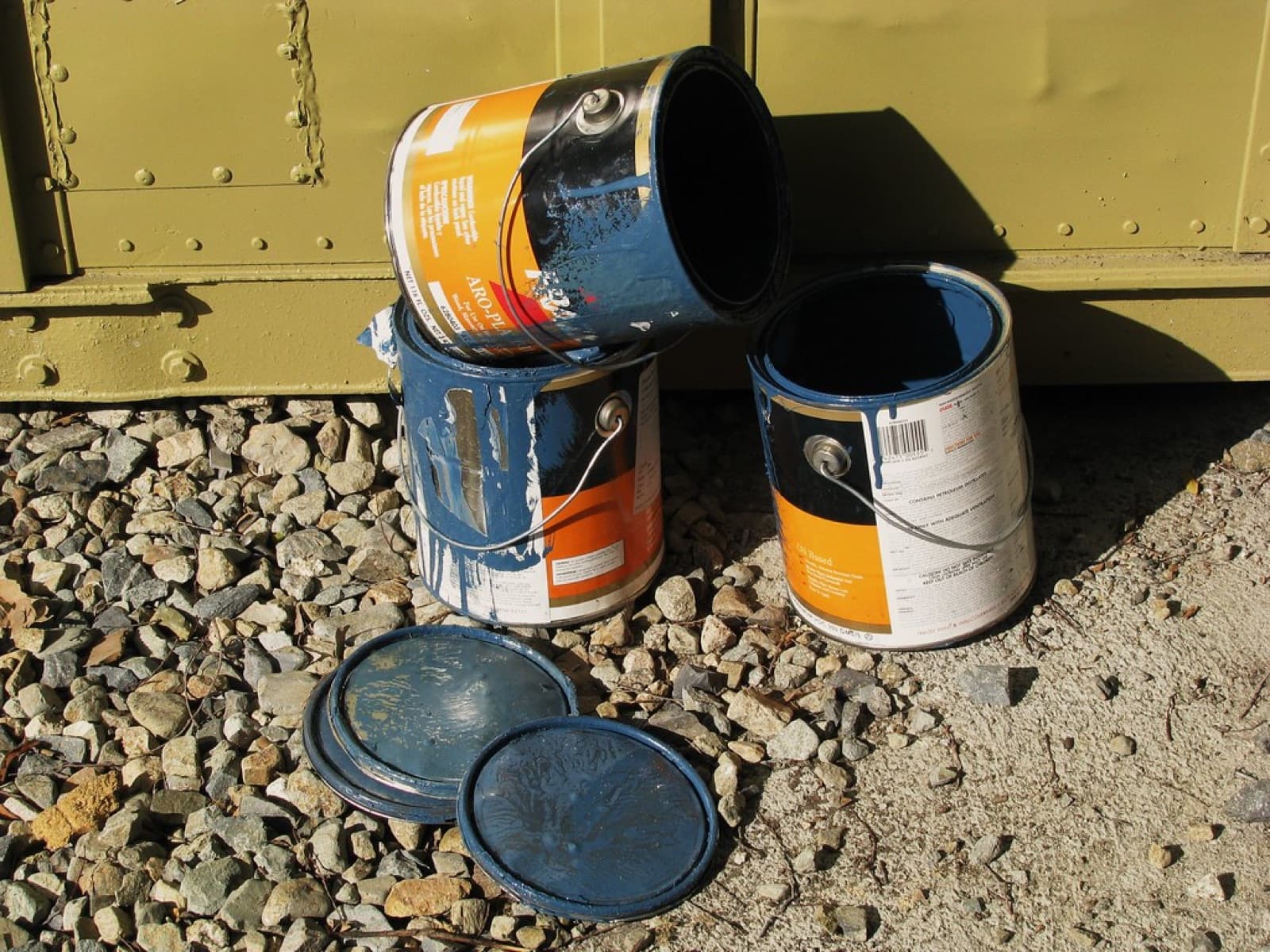
- Do not reuse old adhesives, sealants, or waterproofing products where performance matters.
Watch out. Buying less should reduce waste, not preserve a hidden problem. Damp, fire safety, electrics, gas, and waterproofing are places to be cautious.
Avoid over-ordering
Measure carefully, check pack sizes, ask suppliers about realistic waste allowance, keep a small labelled set of spares, and return unopened packs where allowed.
Order the right amount
- 1
Measure twice
Write dimensions down, room by room
- 2
Check coverage
Supplier calculator vs your numbers
- 3
Ask the allowance
A realistic waste %, not a guess
- 4
Keep spares
A small, labelled repair set
- 5
Return the rest
Unopened packs, promptly
Shopping habits that reduce waste
A few habits make a real difference before anything arrives at your door.
- Order samples before ordering full tins, boxes, rolls, or boards.
- Use the supplier's coverage calculator, then check it against your own measurements.
- Ask whether the product comes in smaller pack sizes.
- Check whether unopened packs can be returned and how quickly.
- Choose standard sizes where possible so future repairs are easier.
- Avoid buying a full kit when you only need one part.
- Keep receipts, batch numbers, colour names, and product codes together.
What to search for on Matera
Search for repairable materials, reclaimed timber, plant oils, hard-wax oils, low-VOC paint, replacement fronts, natural textiles, reclaimed handles, and suppliers who sell samples or small quantities. Use saved lists to compare whether a product can be repaired, returned, or bought in the quantity you actually need.