Masonry & Stone · Clay bricks
Reclaimed bricks
Herts Architectural Salvage·Pursley Farm
In Stock
Request quote
Plastic-free-ish swaps for paint trays, edging, pots, flooring, sealants, storage, synthetic carpets, and packaging
5 min readUpdated July 2026
Save guideTrying to remove every bit of plastic from a home project can become frustrating fast. A better goal is to avoid short-life plastic, unnecessary plastic, and plastic products that are hard to repair or recycle.
Plastic is not always the villain. It can be useful for waterproofing, safety, durability, and hygiene. The best beginner approach is to keep plastic where it earns its place and cut it where it is disposable, decorative, or used out of habit.
Start with the plastic that would otherwise be thrown away quickly.
Start with items that are short-lived, single-use, or easy to swap without creating performance risks.
Plastic reduction should not create a worse failure.
Reducing plastic is not the same as refusing performance. Some jobs need products that seal, flex, protect, or remain hygienic.
Cut it where
Keep it where
Use this before buying a plastic-heavy item. The answer is not always no, but it should be considered.
Plastic reduction does not have to mean replacing everything. Often the cheapest win is to stop buying disposable versions of things you already use.
| Budget | Good moves | Avoid |
|---|---|---|
| Low | Borrow tools, reuse trays, choose washable dust sheets, collect second-hand pots | Disposable decorating kits for every job |
| Medium | Choose terracotta pots, reclaimed shelves, natural fibre rugs, durable storage | Thin decorative plastic that will crack or fade |
| Higher | Consider cork, linoleum, timber, tile, or wool where suitable | Replacing a working surface just to make it look more eco |
A plastic-light home project usually comes from many small swaps rather than one perfect product.
| Topic | Detail |
|---|---|
| Bedroom | Wool rug, timber furniture, low-VOC paint, natural fibre curtains. |
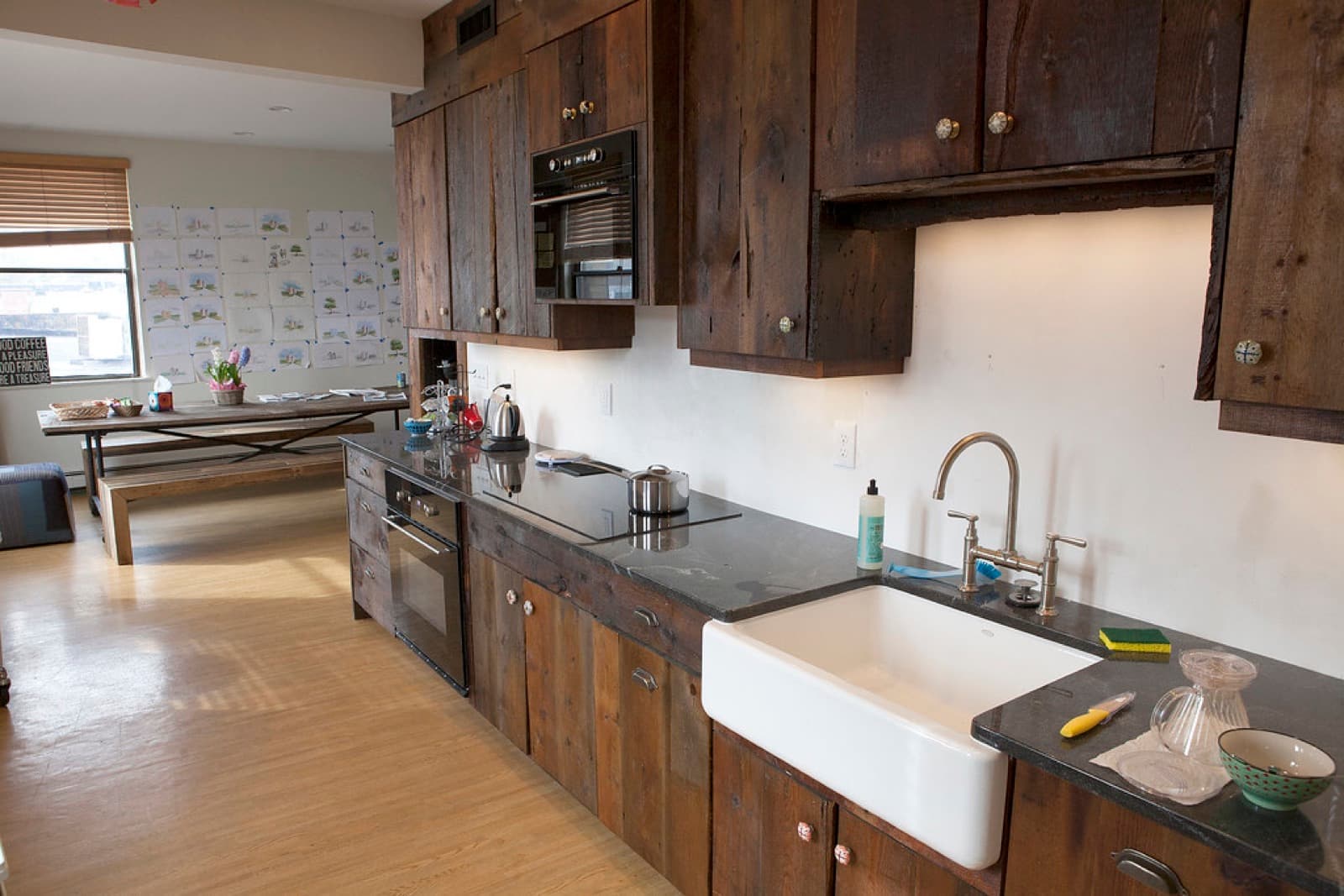
| Kitchen | Durable refillable storage, reclaimed shelves, linoleum or tile flooring, low-VOC sealants. |
| Bathroom | Avoid disposable accessories, choose durable fittings, but keep waterproofing performance first. |
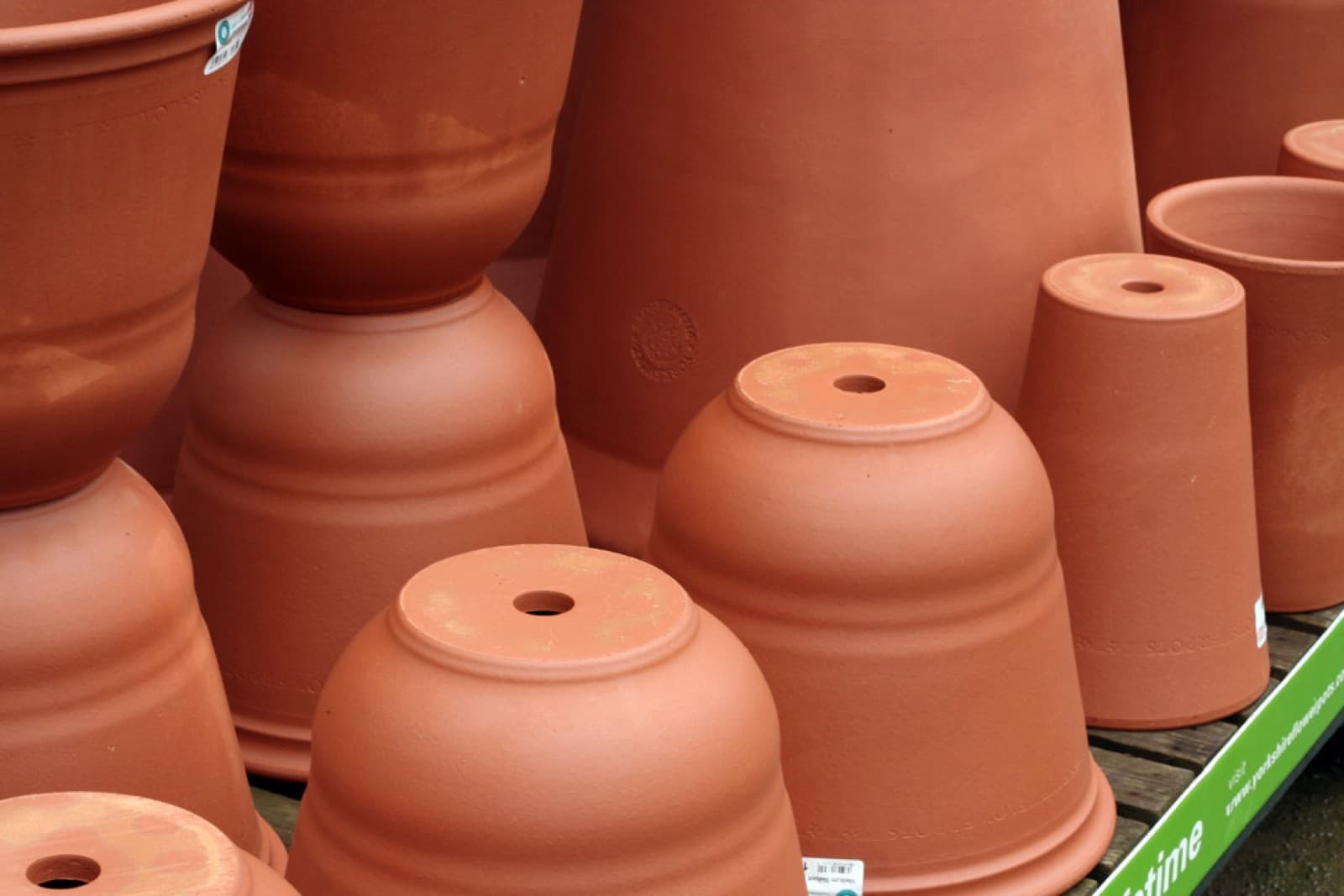
| Garden | Reclaimed brick edging, terracotta pots, compostable nursery pots, mulch instead of plastic membrane where suitable. |
Search for linoleum, cork flooring, wool carpet, reclaimed timber, reclaimed bricks, steel edging, terracotta, compostable pots, low-VOC sealants, natural textiles, and durable repairable storage.