Masonry & Stone · Clay bricks
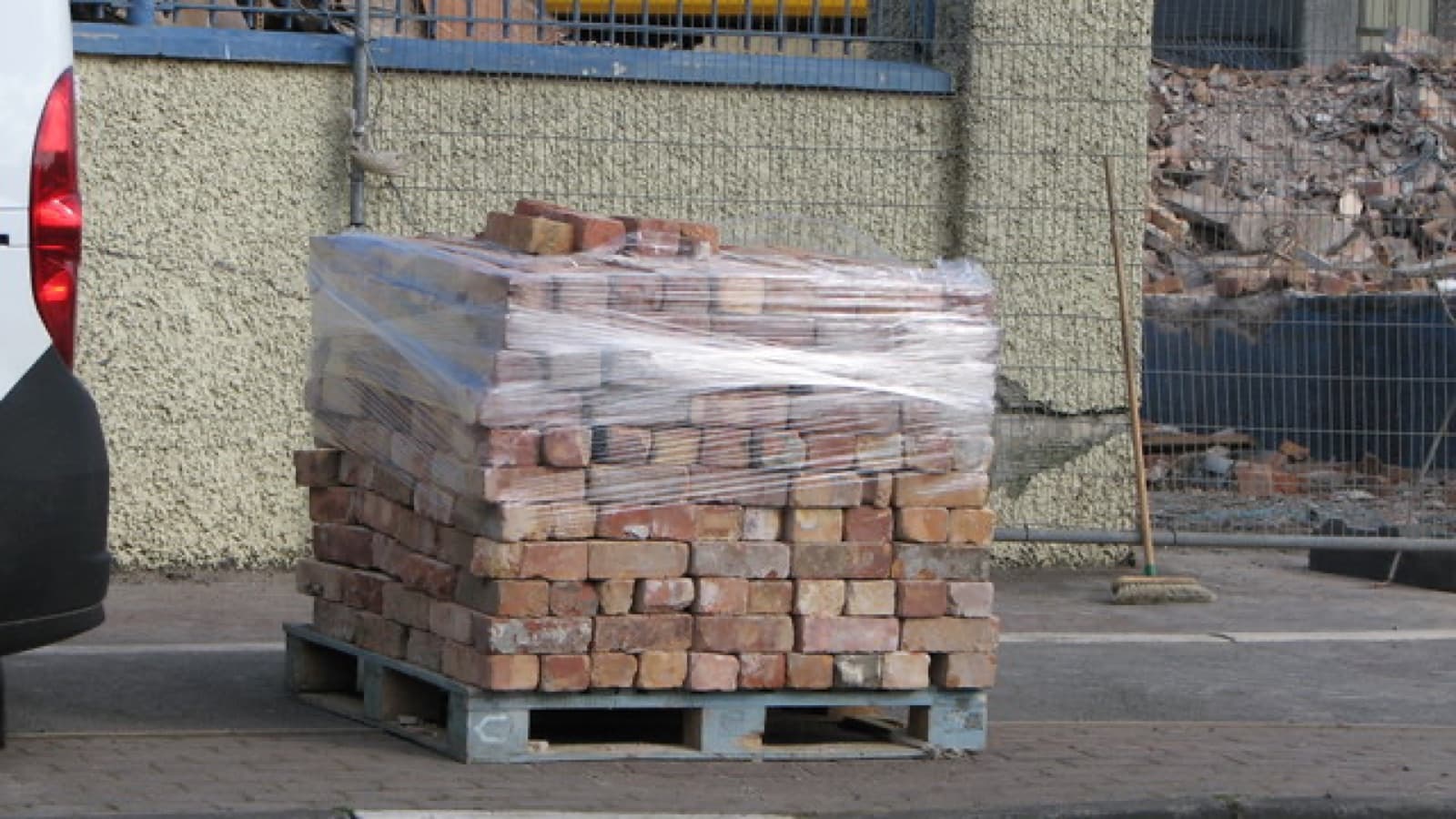
Reclaimed bricks
Herts Architectural Salvage·Pursley Farm
In Stock
Request quote
Reclaimed brick edging, untreated timber, stone, lime mortar, permeable paving, and lower-plastic landscaping
6 min readUpdated July 2026
Save guideGarden projects look simple, but the materials have a hard life: rain, frost, soil contact, UV, insects, and constant wet-dry cycles. Cheap plastic edging, thin membranes, and soft untreated timber can fail quickly, creating waste and another job to redo.
Natural and reclaimed materials suit gardens because they weather well, can often be repaired locally, and usually look better as planting grows around them. The goal is not to make every outdoor job rustic; it is to choose materials that make sense in soil, weather, and time.
These are practical weekend-scale projects where natural materials can make an immediate difference.
| Project | Good material choices | Watch out for |
|---|---|---|
| Bed edging | Reclaimed bricks, stone setts, untreated durable timber, steel edging | Soft indoor timber, brittle plastic edging, shallow installation |
| Garden path | Reclaimed brick, stone flags, gravel, permeable pavers | Poor base preparation, no edging, slippery polished stone |
| Patio repair | Reclaimed slabs, stone, lime mortar for compatible older masonry | Mixing hard cement with soft old brick or stone |
| Raised beds | Untreated larch, Douglas fir, oak, chestnut, or reclaimed brick | Old treated railway sleepers of unknown origin |
| Pots and planters | Terracotta, timber boxes, metal troughs, compostable nursery pots | Thin black plastic pots that split after one season |
| Small retaining edge | Stone, brick, timber sleepers rated for ground contact | Guessing structural stability where soil pressure is significant |
Reclaimed brick and stone are excellent for garden edging, paths, low walls, steps, and planters. They are forgiving because small colour and size differences usually look intentional outdoors.
Check frost resistance before using old bricks in exposed, wet locations. Some soft internal bricks are beautiful but will crumble after repeated freeze-thaw cycles. For paths and edging, reject bricks with powdery faces, deep cracks, heavy salt staining, or obvious spalling.
Timber can work beautifully outside, but species and detailing matter more than marketing. Durable species such as oak, sweet chestnut, larch, Douglas fir, and some modified timbers perform much better than cheap softwood if they are kept out of standing water.
Untreated does not mean careless. Design timber so water can drain, air can move around it, and end grain is not sitting directly in wet soil. A simple gravel strip or metal foot can add years to a raised bed or bench.
Watch out. Be cautious with old treated sleepers or industrial timber in food-growing areas. If you do not know what it was treated with, do not use it around vegetables or where children will handle it regularly.
For many small garden jobs, permeability matters as much as the surface material. A gravel path, open-jointed brick path, or permeable paver lets rain soak in rather than rushing into drains or pooling against the house.
Avoid pushing hard paving right up to walls, air bricks, damp-proof courses, or timber thresholds. Good garden design keeps water away from the building and lets the ground drain.
Choose a permeable surface
Gravel, hoggin, reclaimed brick on a permeable base, or open-jointed pavers let rain soak in.
Slope paths away from the house
A gentle fall sends rain into the garden rather than pooling against walls.
Keep paving below the damp-proof course
Hard paving pushed against walls, air bricks, or timber thresholds holds water against the building.
Skip plastic weed membrane where you can
Cardboard, mulch, or dense planting often does the job without long-term plastic in the soil.
Some plastic products solve a real problem, but many are used because they are quick to buy. Edging strips, weed membranes, synthetic grass, plastic pots, and composite decorative products can create long-term waste and microplastic issues.
Natural and reusable
Plastic-heavy defaults
Search for reclaimed bricks, stone flags, lime mortar, untreated durable timber, permeable paving, gravel systems, natural wood oils, recycled-content pavers, and compostable pots. For older walls and garden buildings, favour suppliers who explain compatibility with lime, brick, stone, and breathable construction.