Alternatives
Alternatives to PIR Insulation
Lower-impact insulation options, and when to specify each one
7 min readUpdated April 2026
Save guideWhy consider alternatives to PIR?
PIR (polyisocyanurate) insulation is widely used because of its high thermal resistance per unit thickness. However, it is manufactured from fossil-derived chemistry, its production is energy-intensive, and end-of-life options are limited - it cannot be easily recycled or composted.
As the construction industry moves toward net-zero carbon targets, specifiers are increasingly looking at the full lifecycle impact of insulation choices, not just installed performance. This does not mean PIR is always the wrong choice - but it is worth understanding the alternatives.
Wood fibre insulation
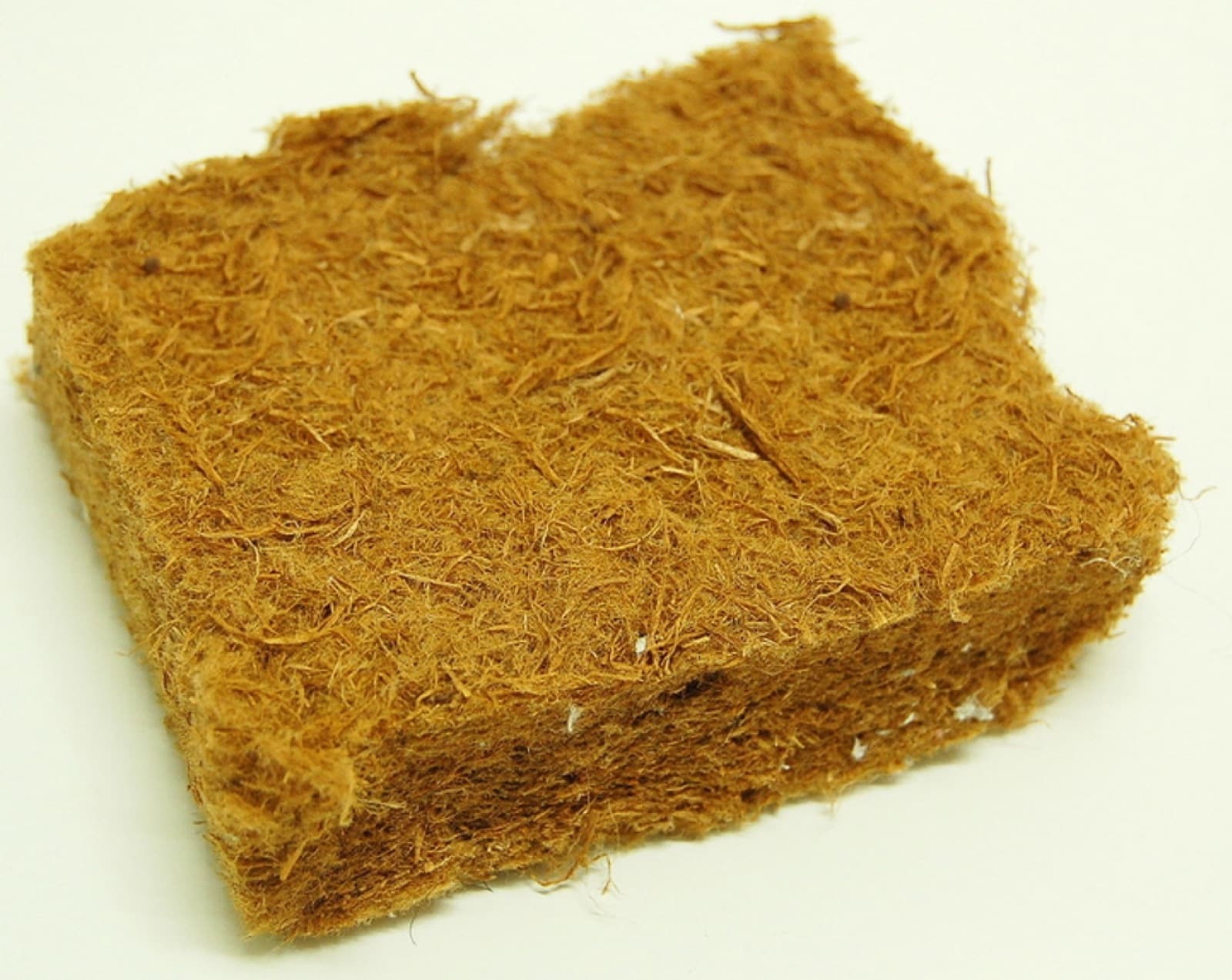
Wood fibre boards and batts offer a bio-based alternative with good thermal performance and excellent breathability. The material stores carbon, supports vapour-permeable wall assemblies, and can be recycled or composted at end of life.
Thermal conductivity typically ranges from 0.038 to 0.043 W/mK, meaning thicker build-ups are needed compared to PIR (0.022 W/mK). However, wood fibre also provides useful thermal mass, helping to regulate internal temperatures in summer.
- Best for: retrofit projects, Passivhaus, timber frame walls, roof sarking
- Trade-offs: higher cost, thicker build-up, moisture detailing required
Note. Read our full guide on wood fibre insulation for detailed specifications and sourcing options.
Cork insulation
Cork insulation is harvested from the bark of cork oak trees - a process that does not harm the tree, which regenerates its bark every 9 years. Expanded cork boards are manufactured using the natural resins in the cork itself, with no synthetic binders needed.
Cork provides good thermal performance (around 0.040 W/mK), is naturally water-resistant, rot-proof, and has excellent acoustic properties. It is also one of the most genuinely circular insulation materials available - it can be reused or composted indefinitely.
- Best for: external wall insulation, flat roofs, acoustic applications
- Trade-offs: higher cost, limited UK availability, longer lead times from Mediterranean suppliers
Cellulose insulation
Cellulose insulation is made from recycled newspaper treated with mineral salts for fire and pest resistance. It is typically blown into cavities or applied as a wet spray, making it excellent for filling irregular spaces in retrofit projects.
With a thermal conductivity of around 0.035–0.040 W/mK, cellulose performs well and has very low embodied carbon - much of its energy content was already spent in the original paper manufacturing. It also has a high recycled content, typically 80% or more.
- Best for: loft insulation, timber frame cavities, retrofit cavity fill
- Trade-offs: requires specialist installation equipment, lower water resistance than rigid boards
Sheep wool insulation
Sheep wool is a natural fibre insulation with excellent moisture-buffering properties. It can absorb and release moisture without losing thermal performance - a significant advantage in older buildings where moisture management is critical.
Products like Thermafleece and Black Mountain use UK-sourced wool, supporting local agricultural supply chains. Thermal conductivity is typically around 0.035–0.040 W/mK.
- Best for: timber frame walls, loft insulation, heritage buildings
- Trade-offs: higher cost, variable availability, moth treatment required
How to choose the right alternative
There is no single best alternative - the right choice depends on your project constraints. Consider these factors when comparing options.
U-value target
How thick can your build-up be? If space is limited, PIR may still be the pragmatic choice.
Moisture strategy
Breathable assemblies favour wood fibre, cork, or sheep wool over sealed systems.
Budget
Cellulose is typically the most cost-effective natural alternative; cork is the most expensive.
Installer capability
Cellulose and blown systems need specialist equipment; boards and batts are more straightforward.
EPD-backed carbon data
Always compare product-specific data rather than generic assumptions.
Supply chain
Check lead times and local availability before committing to specification.
Tip. Use Matera to compare suppliers, check EPD availability, and find verified products for each insulation type.
Useful links
- EPD InternationalLargest public EPD registry. Useful for benchmarking before commissioning your own.
- BRE Global EPDsUK-based EPD programme operator widely used for construction products.
- IBUInstitut Bauen und Umwelt - German programme operator widely accepted across Europe.
- FSC chain of custodyRequirements, fees, and the route to finding an accredited certifier.