Where to Start with an Eco Home Project
Define the room, budget, health goals, moisture risks, and first decisions that actually matter
5 min readUpdated July 2026
Save guideStart smaller than you think
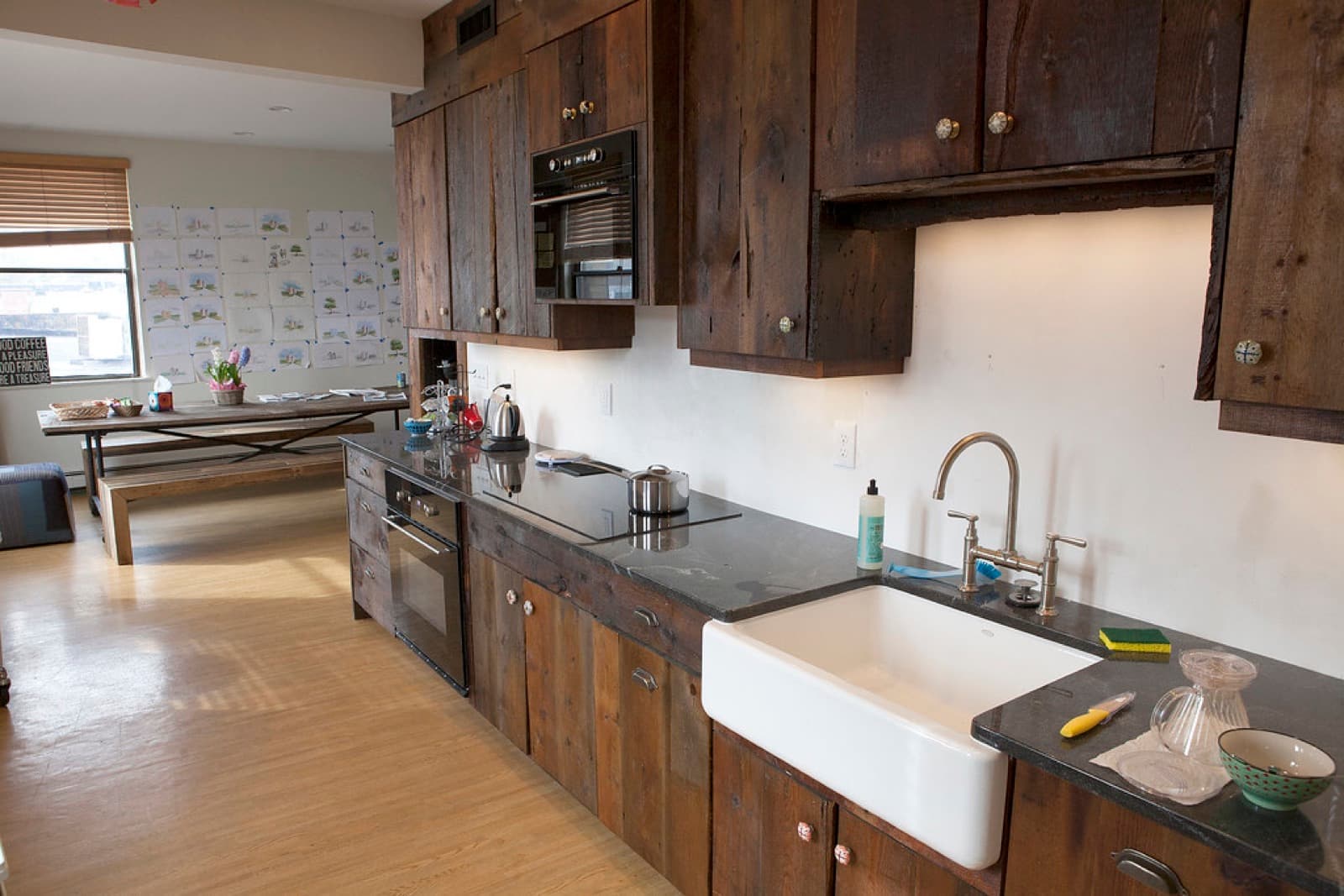
The easiest way to get overwhelmed is to start with the whole house. A better first eco home project is one room, one surface, or one problem: a bedroom repaint, a cold hallway floor, a damp-looking wall, a bathroom refresh, or replacing plastic-heavy garden edging.
Small projects teach you how materials behave, what questions suppliers ask, and what kind of maintenance you can actually live with.
Five questions before you buy anything
Use these questions as a simple project map.
- Which room or surface am I changing?
- What is the main goal: healthier air, less waste, lower plastic, warmer room, better durability, or lower carbon?
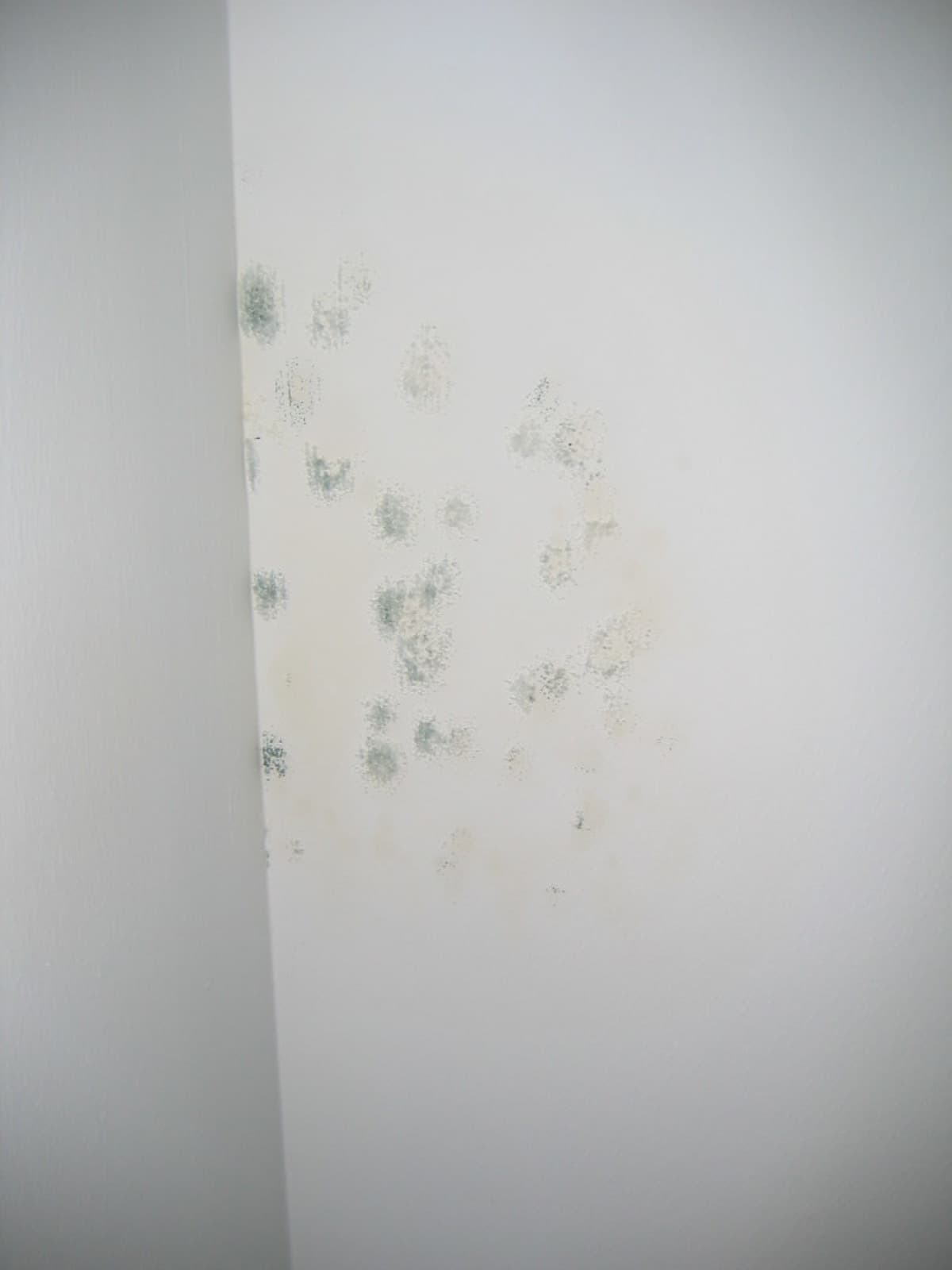
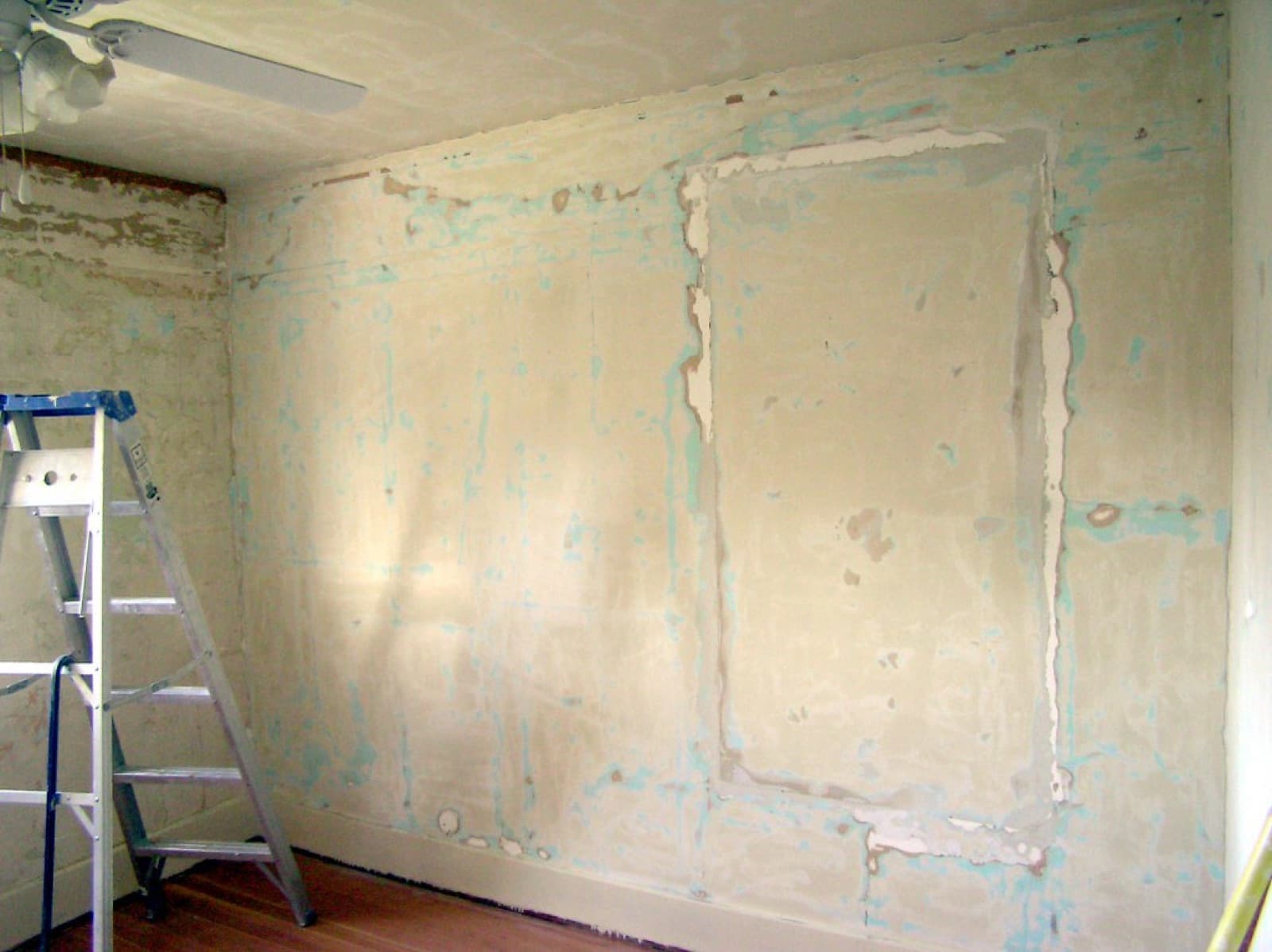
- Is there any damp, mould, condensation, cracking, or rotten timber to understand first?
- What is the honest budget, including tools, primer, delivery, waste, and mistakes?
- Can I repair, repaint, reface, or buy second-hand before buying new?
Good first eco home projects
Pick a project where the risk is visible and the tools are simple.
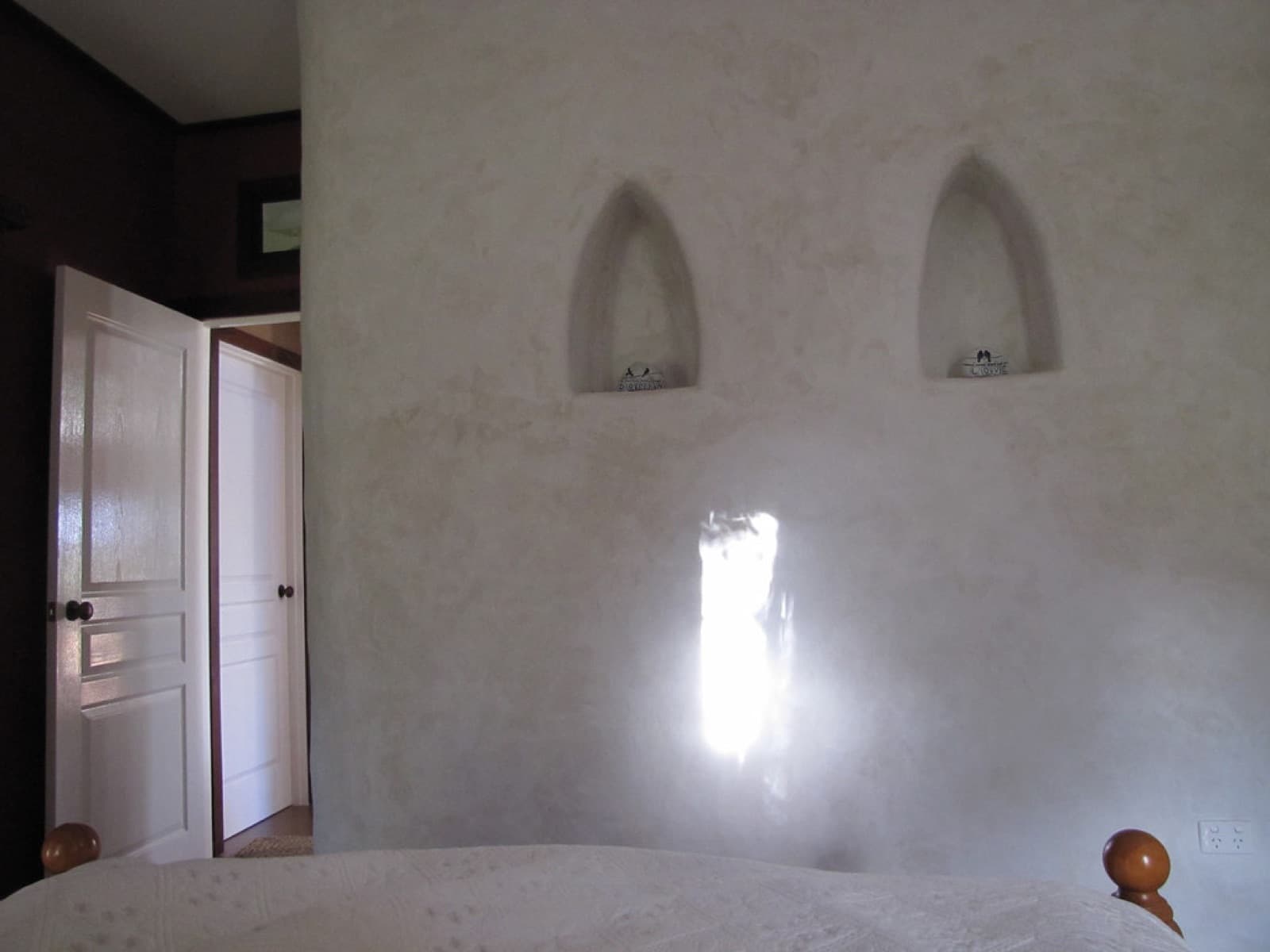
- Paint a bedroom with low-VOC or natural paint.
- Fit reclaimed timber shelves.
- Use cork underlay under a small floor area.
- Swap plastic garden edging for reclaimed brick or stone.
- Repair and oil a timber table instead of replacing it.
A simple one-room plan
If you are new to home projects, write a tiny brief before looking at products. It stops the project turning into a basket of unrelated good intentions.
| Step | What to decide | Example |
|---|---|---|
| 1. Room | Choose one room or surface | Bedroom walls, hallway floor, garden edge |
| 2. Problem | Name the actual issue | Cold floor, tired paint, too much plastic, poor storage |
| 3. Limit | Decide what you will not touch | No electrics, no wet-room work, no structural timber |
| 4. Materials | Pick two or three material options | Clay paint, low-VOC paint, reclaimed shelf |
| 5. Proof | Check samples, instructions, and returns | Sample pot, primer guide, delivery lead time |
Set budget buckets
Beginners often budget for the headline material and forget the boring extras. Those extras are where projects become stressful.
- Materials
- Paint, boards, tiles, timber, flooring, or fittings.
- Preparation
- Cleaner, filler, primer, sandpaper, masking tape, brushes, rollers, dust sheets.
- Fixings and system parts
- Screws, adhesive, sealant, underlay, grout, trim, or finish.
- Delivery and returns
- Bulky materials can cost more to move than expected.
- Waste and spares
- A little spare material is useful; too much becomes clutter.
- Professional help
- Keep money aside in case damp, electrics, gas, structure, or waterproofing appears.
Pause if you see these
Some signs mean the first job is understanding the building, not buying materials.
- Mould, salts, soft plaster, rotten timber, or repeated staining.
- Unknown old paint that you plan to sand.
- A bathroom or shower area where waterproofing is part of the job.
- Any material that needs to hold structural weight.
- A supplier who cannot explain preparation, primer, cleaning, or limitations.
What to do this week
You do not need to solve the whole project at once. A good first week is about making the unknowns smaller.
A good first week - make the unknowns smaller
- 1
Photograph the room
Daylight, evening light, and any problem areas
- 2
Measure twice
Write the numbers down in one place
- 3
Check for problems
Damp, mould, cracking, loose paint, rotten timber
- 4
Order samples
Before committing to full packs, tins, or boards
- 5
Message a supplier
Share your room, surface, budget, beginner status
- 6
Split the work
Decide what needs a trade or surveyor
What to search for on Matera
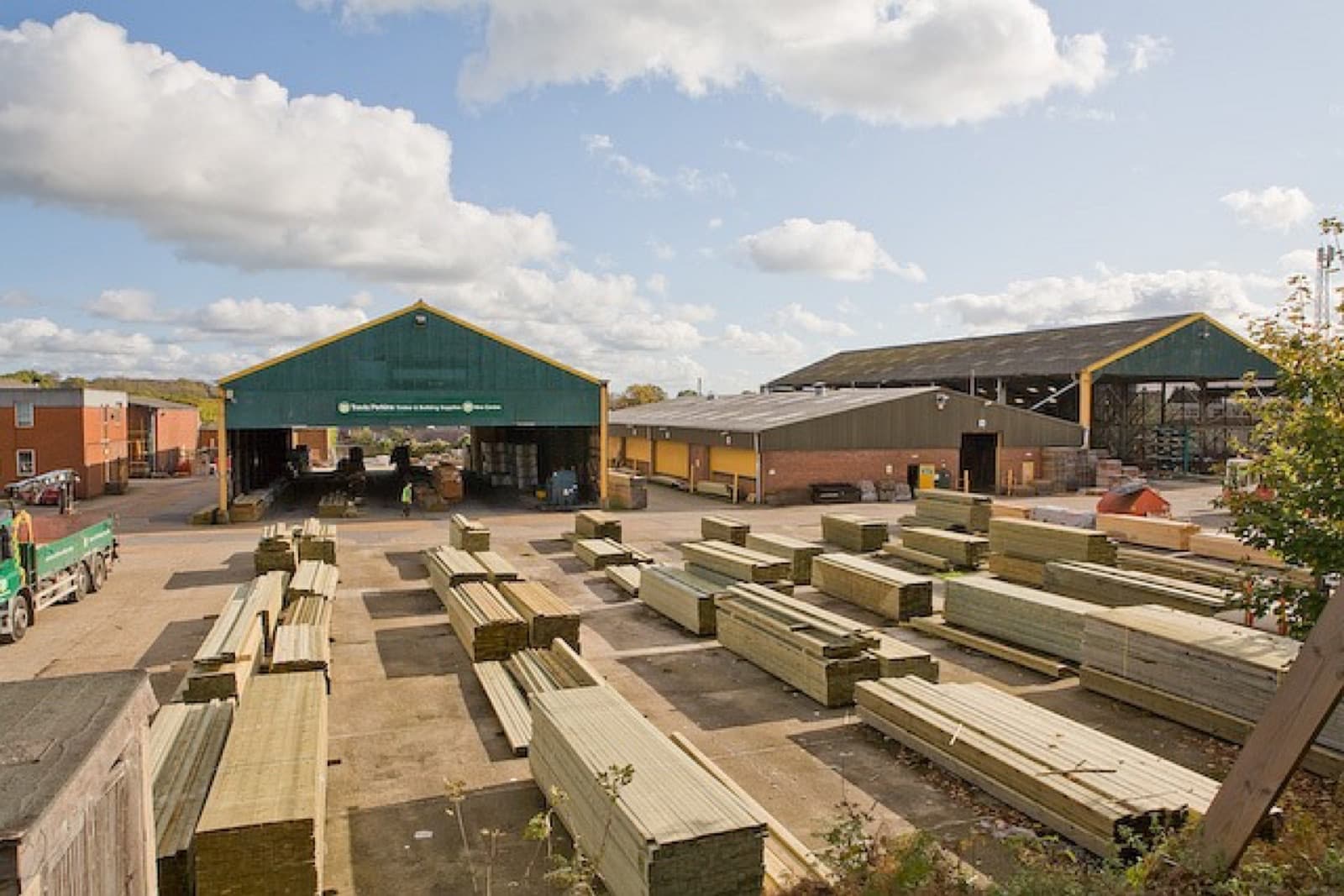
Search for low-VOC paint, natural paint, reclaimed timber, cork underlay, FSC timber, plant oils, reclaimed bricks, recycled tiles, and beginner-friendly suppliers who publish preparation and installation guidance.