A Beginner's Guide to Reclaimed Timber
Shelves, furniture, panelling, floorboards, nails, woodworm, lead paint, smell, and moisture
6 min readUpdated July 2026
Save guideWhy reclaimed timber is a good first reuse material
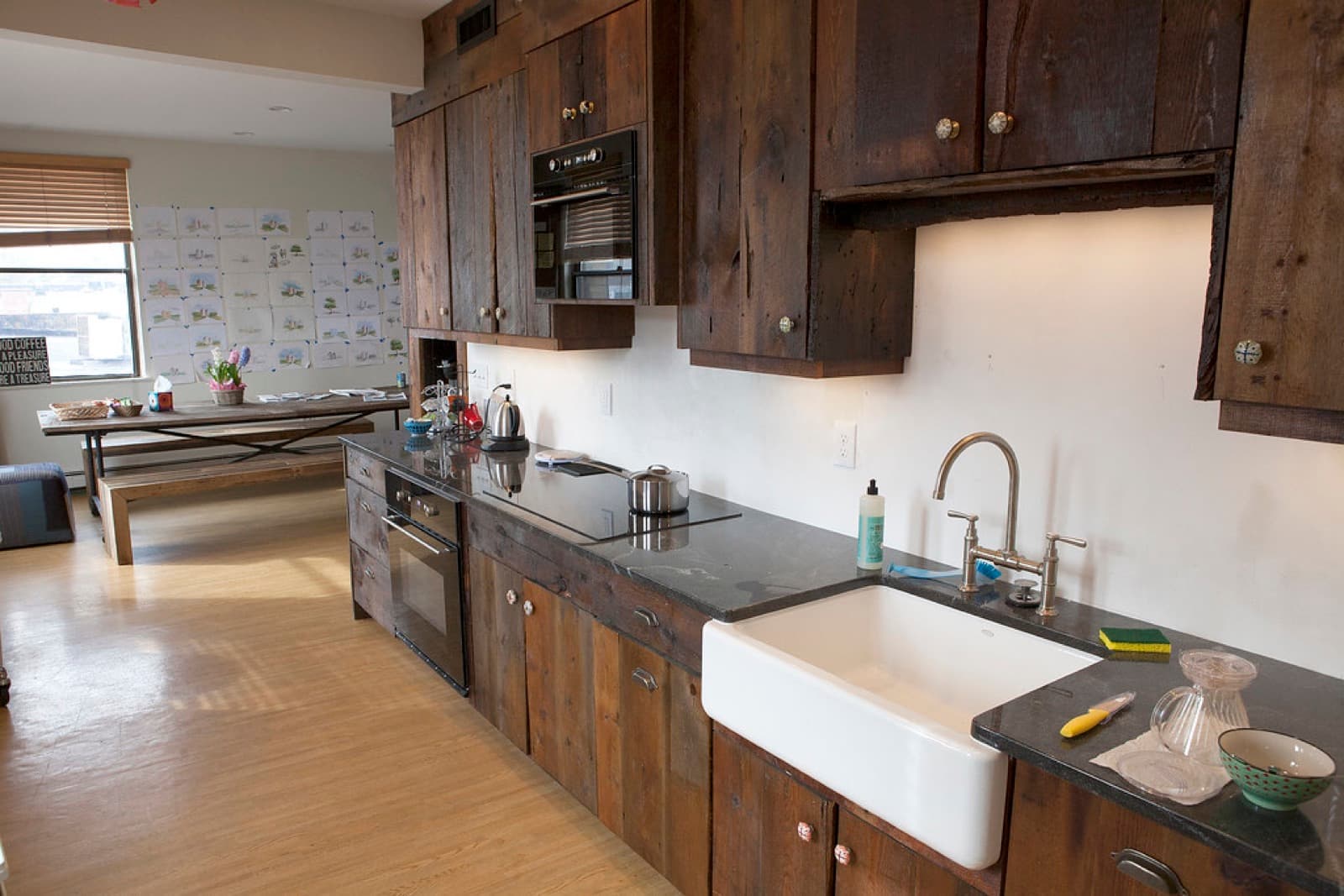
Reclaimed timber is visible, useful, and forgiving. A board can become a shelf, bench, desk, headboard, panel, or repair piece without needing to pretend it is factory-perfect.
The best beginner uses are non-structural. If the timber is holding up a building, span, stair, or load, you need proper grading and advice.
Good beginner uses
Start where condition can be seen and mistakes are easy to fix.
- Shelves and brackets
- Simple furniture and benches
- Wall panelling and headboards
- Desk tops and workbench tops
- Picture rails, peg rails, and hooks
- Small floor repairs where thickness and profile match
What to check before buying
Reclaimed timber often needs more inspection than new timber.
- Hidden metal
- Nails, screws, staples, and embedded metal that can damage saws and sanders.
- Woodworm
- Look for holes and fresh dust around them.
- Rot and warping
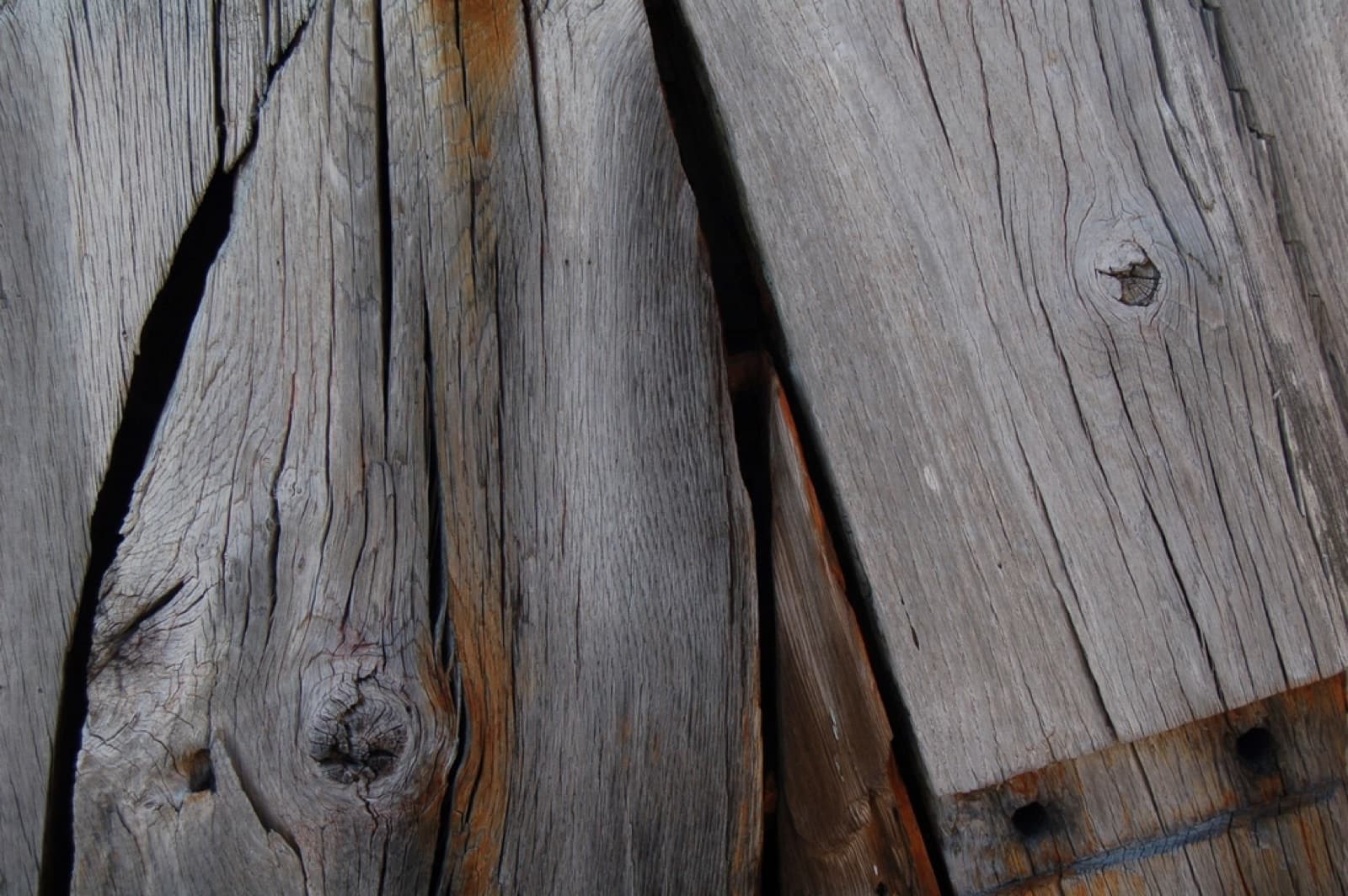
- Soft patches, rot, splits, and severe warping.
- Strong smells
- Oil, smoke, damp, chemical, or animal smells - keep them out of living spaces.
- Old paint
- May contain lead. Test before sanding or stripping.
- Moisture
- Boards stored outdoors may be wet and need to acclimatise.
Prep and finish
The preparation is what turns old timber from rough salvage into something you want in your home.
From salvage to shelf
- 1
De-nail
Before any cutting or sanding
- 2
Clean off dust
Brush and vacuum before boards come indoors
- 3
Acclimatise
Let timber settle indoors before fitting tightly
- 4
Test old paint
Check for lead before sanding or stripping
- 5
Sand lightly
If you want to keep the character
- 6
Finish
Plant oil, hard-wax oil, or low-VOC varnish
Tools and safety basics
Old timber often contains surprises. Treat it as unknown until you have checked it properly.
- Use a magnet or detector to find hidden nails before cutting.
- Wear eye protection and a suitable dust mask when brushing, cutting, or sanding.
- Test old painted timber for lead before disturbing the surface.
- Cut outside or in a well-ventilated workspace, then vacuum with care.
- Keep timber with chemical, oil, or heavy smoke smells out of bedrooms and food areas.
- Do not burn unknown reclaimed timber in a stove or fire pit.
A simple reclaimed shelf plan
A shelf is a good first project because the timber stays visible and the job is easy to undo if you change your mind.
| Step | What to do | Watch out for |
|---|---|---|
| Choose | Pick a straight, dry board with enough thickness | Avoid strong smells, soft rot, and heavy twist |
| Clean | Brush, vacuum, and remove metal | Hidden nails can damage saws and sanders |
| Test | Check old paint before sanding | Lead paint needs careful handling |
| Finish | Use plant oil, hard-wax oil, or suitable low-VOC finish | Test on the underside first |
| Fit | Use brackets and fixings suitable for the wall and load | Heavy shelves need proper wall fixings |
Buying checklist
Before you hand over money, imagine the timber already in your hallway. If you cannot store, move, clean, or use it safely, it is not a bargain yet.
- Check board length, width, thickness, and whether edges are straight enough for your plan.
- Ask whether it has been stored indoors, outdoors, or under cover.
- Buy extra if you need pieces to match colour, thickness, or profile.
- Avoid boards that are wet, furry with mould, heavily twisted, or crumbling at the ends.
- Plan where you will clean and de-nail it before bringing it into a finished room.
- Keep a few offcuts for testing oil, wax, stain, or filler.
Where not to use it casually
Reclaimed timber is beginner-friendly only when the job is non-structural and visible.
- Do not use ungraded reclaimed timber for beams, joists, stairs, or anything load-bearing.
- Avoid unknown treated timber around food growing, children, or indoor sanding.
- Do not use damp or rotten timber and hope a finish will save it.
- Avoid old painted timber if you need to sand it and cannot check for lead.
- Be cautious in bathrooms or outdoors unless the species, detailing, and finish suit moisture.
What to search for on Matera
Search for reclaimed timber, scaffold boards, salvaged floorboards, FSC timber, plant oils, hard-wax oils, low-VOC varnish, and suppliers who explain previous use, storage condition, and preparation needs.