A Beginner's Guide to Eco Labels
FSC, PEFC, EPD, Greenguard, Blue Angel, EU Ecolabel, Declare, and B Corp - what each one actually tells you
5 min readUpdated July 2026
Save guideOne logo does not mean everything
Eco labels are useful, but they answer different questions. FSC does not mean low-VOC. Greenguard does not mean low carbon. B Corp does not mean every product is perfect.
For beginners, the important thing is not memorising every certification. It is learning which label helps with which decision. A timber shelf, a nursery paint, a carpet adhesive, and a concrete block all need different kinds of evidence.
Plain-English label guide
This is the quick version.
| Topic | Detail |
|---|---|
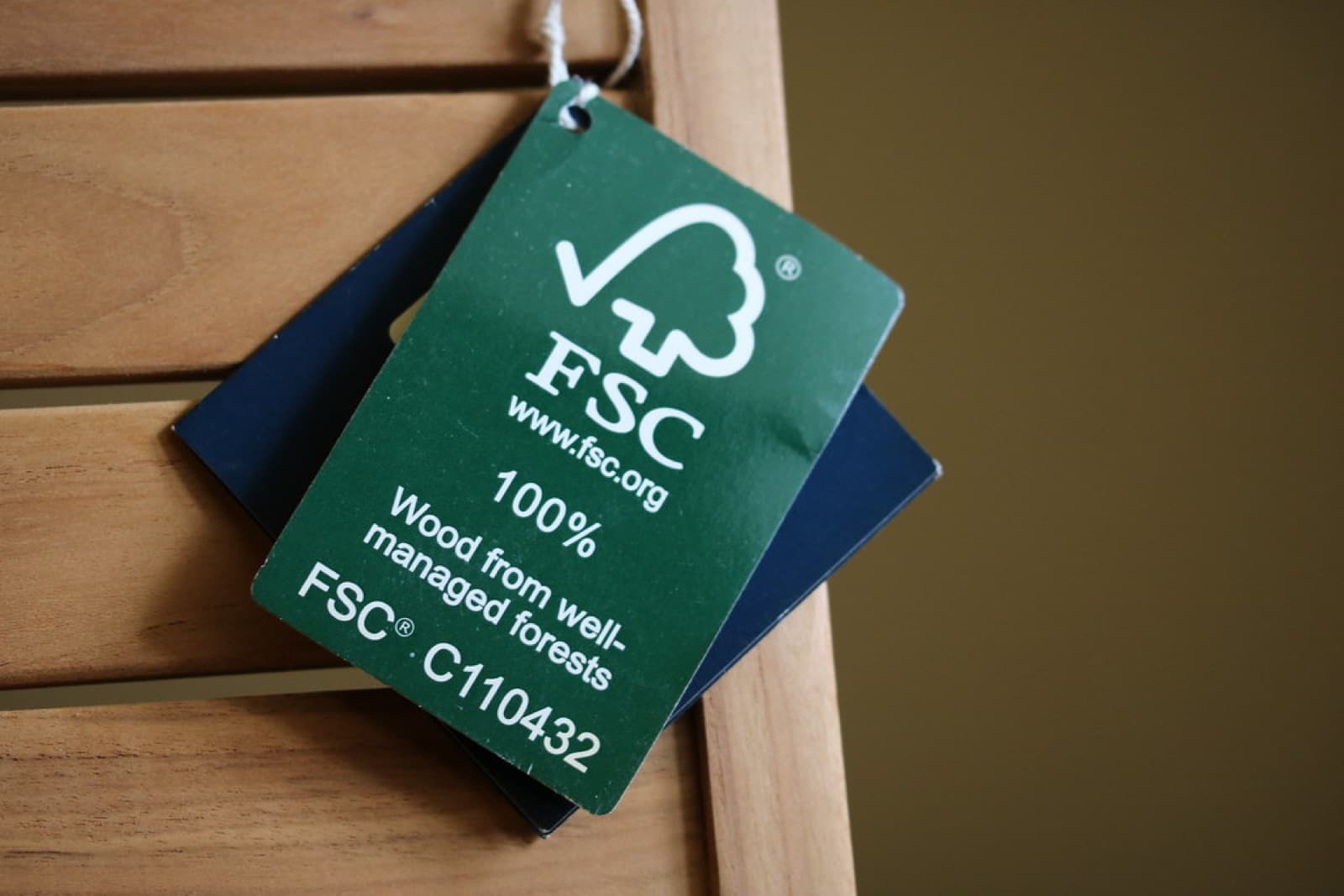
| FSC and PEFC | Better forestry and timber sourcing. |
| EPD | Environmental data, especially carbon, but not a pass/fail eco badge. |
| Greenguard | Low chemical emissions into indoor air. |
| Blue Angel | Strict health and environmental criteria for certain product types. |
| EU Ecolabel | Multi-criteria environmental label for some consumer and fit-out products. |
| Declare | Ingredient transparency and Red List screening. |
| B Corp | Company-level social and environmental performance. |
Match the label to the risk
Start with the thing you are worried about, then look for the label that answers that worry.
| If you care about... | Look for | Useful for |
|---|---|---|
| Forest sourcing | FSC or PEFC | Timber, plywood, doors, decking, paper-based boards |
| Indoor air | Greenguard, Blue Angel, EU Ecolabel, VOC test data | Paints, flooring, adhesives, furniture, boards |
| Carbon data | EPD | Insulation, concrete, plasterboard, flooring, larger products |
| Ingredients | Declare or HPD | Interior finishes and products for sensitive rooms |
| Company behaviour | B Corp or similar company-level evidence | Choosing between brands with similar products |
What to check
Before trusting a claim, check whether the label applies to the exact product, whether it is current, and whether it covers your concern: forests, air, carbon, ingredients, or company behaviour.
Three example decisions
The easiest way to use labels is to match them to a real purchase rather than treating them like a ranking table.
| You are buying | Most useful evidence | Less useful on its own |
|---|---|---|
| Timber shelves | FSC or PEFC for timber sourcing, plus finish guidance | A vague natural claim |
| Paint for a child's bedroom | Low emissions evidence such as Greenguard, Blue Angel, EU Ecolabel, or VOC data | A green colour palette or plant imagery |
| Insulation or boards | EPD for carbon data, plus fire, moisture, and installation data | A company sustainability statement only |
How not to overthink it
For a small DIY project, labels are a decision aid, not homework for the sake of it. Pick the main risk, check the relevant evidence, then move on to suitability, cost, availability, and whether you can install and maintain the product correctly.
- For timber, start with responsible sourcing.
- For interior finishes, start with indoor air and cleaning.
- For large quantities of heavy materials, start with carbon data if available.
- For sensitive rooms, look harder at ingredients and emissions.
- For two similar products, company-level labels can help break the tie.
Green-claim red flags
Some packaging looks sustainable without proving much. These are signs to slow down and ask for evidence.
- A leaf icon with no named certification.
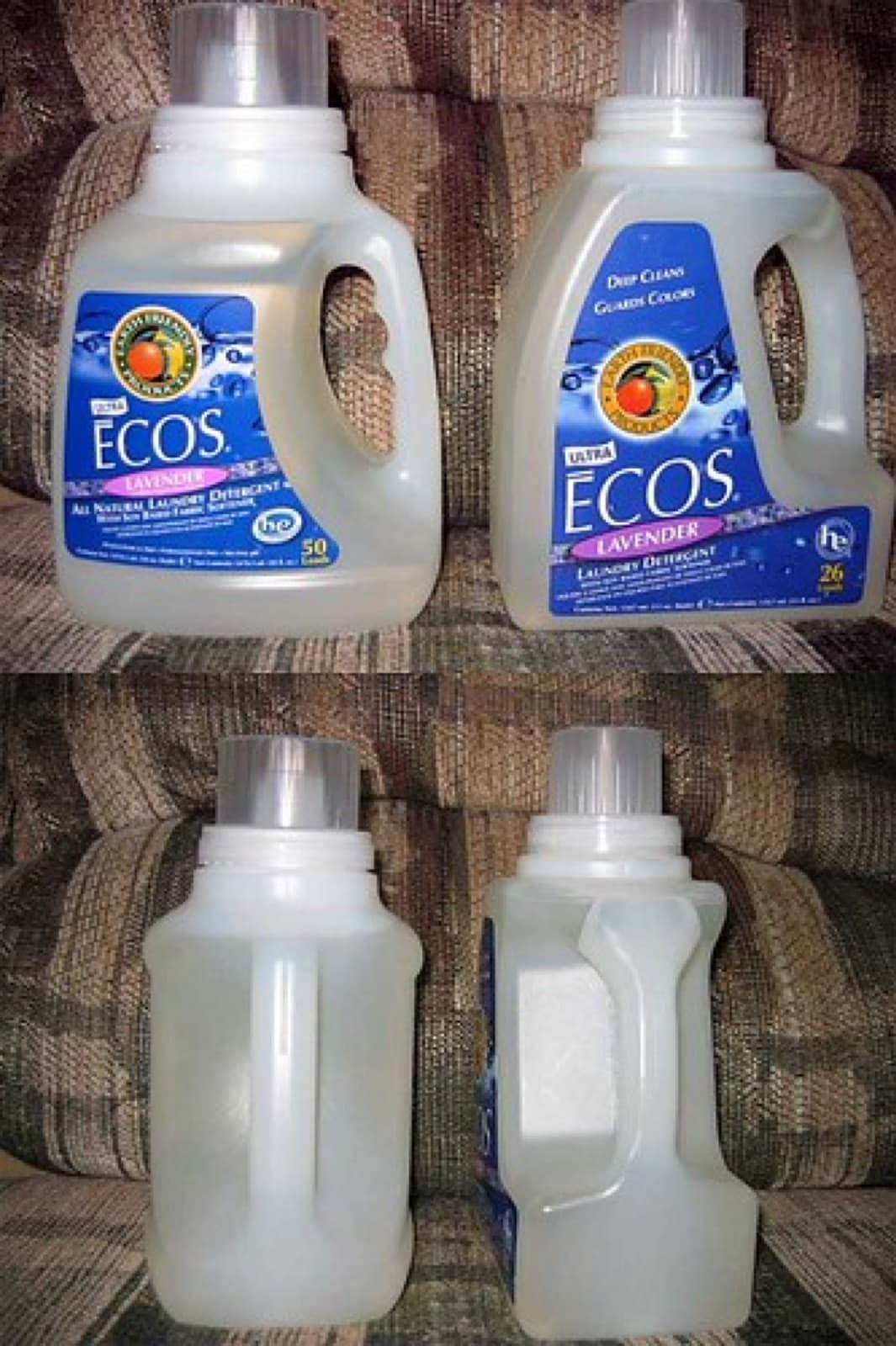
- Words like eco, natural, green, planet-friendly, or non-toxic without a certificate or test.
- A company award used to imply every product is certified.
- A certificate with no number, date, product name, or public listing.
- Recycled content claims without a percentage.
- Carbon neutral claims that do not show the product's actual impact.
Using labels on Matera
Use Matera certification filters as a shortcut, then open the material profile to check what the label is attached to. Look for the certificate name, document, scope, and product match. If the listing is unclear, ask the supplier before buying.
Useful links
- FSC chain of custodyRequirements, fees, and the route to finding an accredited certifier.
- PEFC for businessesUK PEFC guidance on getting certified and a directory of certification bodies.
- EPD InternationalLargest public EPD registry. Useful for benchmarking before commissioning your own.
- BRE Global EPDsUK-based EPD programme operator widely used for construction products.
- IBUInstitut Bauen und Umwelt - German programme operator widely accepted across Europe.